Introduction
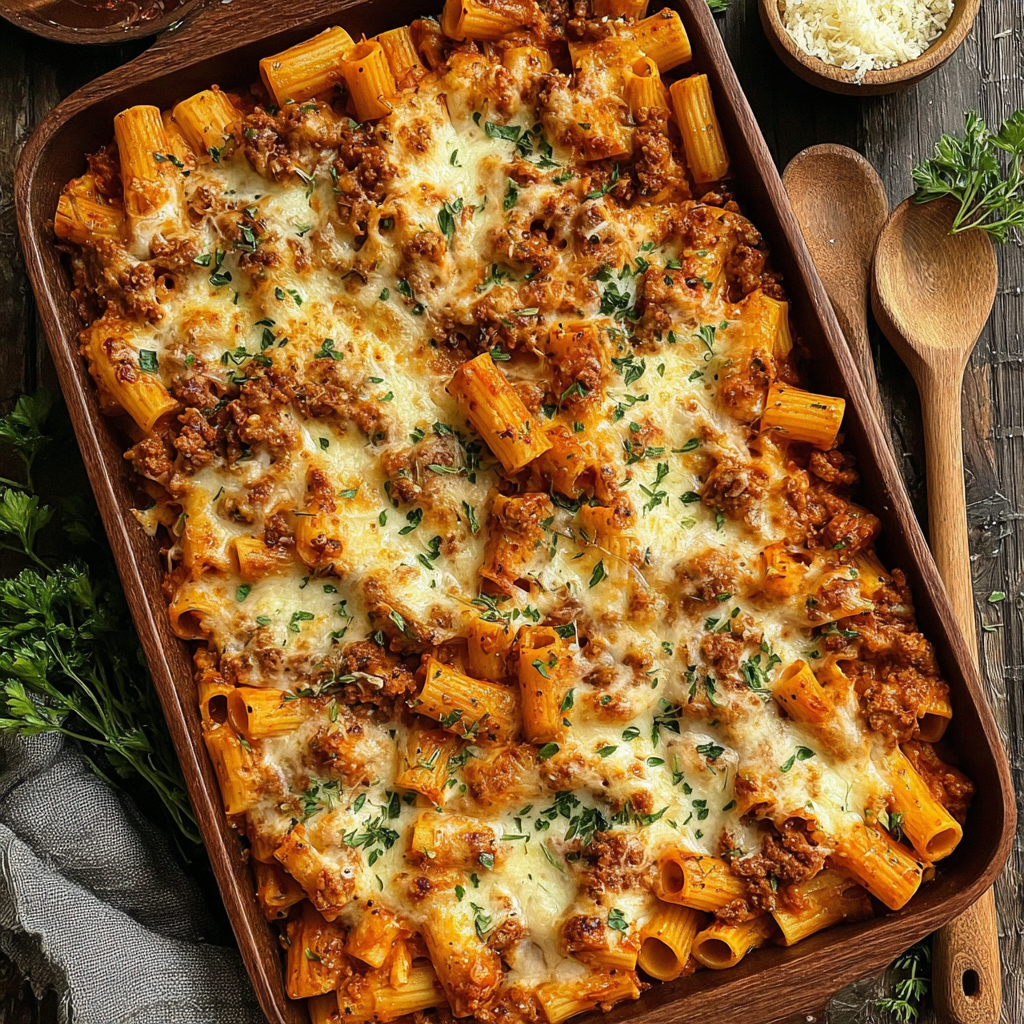
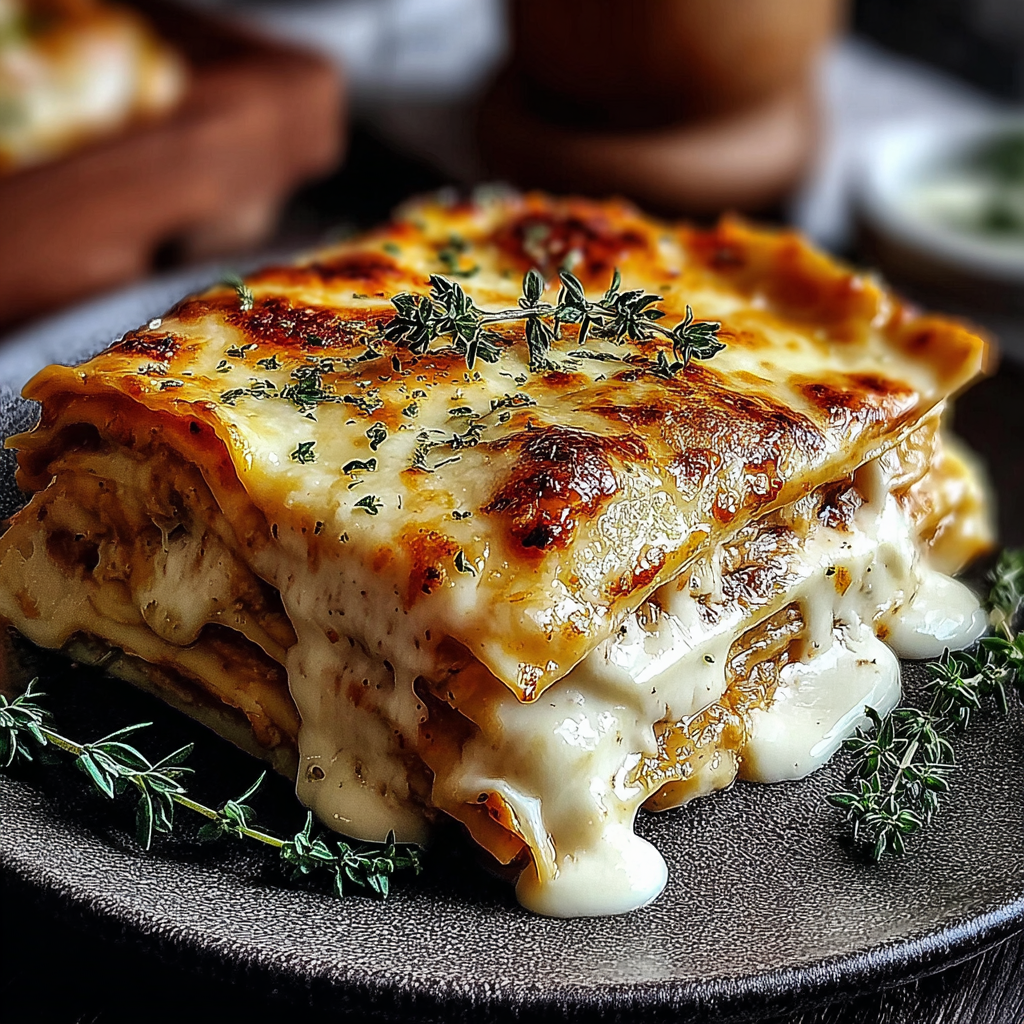
Lasagna is a timeless dish that evokes feelings of comfort and indulgence. Among the many variations, one standout is lasagna with a rich Béchamel sauce. This creamy addition elevates the classic dish, creating layers of flavor and texture that delight the palate.
Béchamel, one of the five mother sauces in French cuisine, introduces a luscious creaminess that beautifully complements the savory meat and tomatoes. The combination of these elements transforms a simple meal into a gourmet experience, perfect for both special occasions and cozy family dinners.
Ingredients
- 12 lasagna noodles
Lasagna noodles serve as the foundational layers of the dish. Choose dry or fresh noodles based on preference; fresh will cook faster and yield a tender texture. - 1 lb ground beef
Ground beef adds hearty protein and rich flavor to the lasagna. It's essential to brown it well to develop its deep, savory taste. - 2 cups marinara sauce
Marinara sauce brings a tangy, tomato-based sauce that balances the richness of the béchamel. It provides moisture and ensures the pasta cooks evenly. - 2 cups whole milk
Whole milk is key for making a creamy Béchamel. Its higher fat content enhances the sauce's richness and gives it a velvety texture. - 1/4 cup unsalted butter
Butter is crucial for starting the Béchamel sauce. It forms the base, lending flavor and helping to thicken the sauce through its emulsifying properties. - 1/4 cup all-purpose flour
Flour acts as the thickening agent in the Béchamel. It helps achieve the desired consistency, transforming the milk into a smooth and creamy sauce. - 1 cup grated Parmesan cheese
Parmesan cheese adds a savory, nutty flavor to the béchamel and creates a delicious topping when baked. It enhances the overall richness of the dish. - 2 cups shredded mozzarella cheese
Mozzarella contributes a stretchy, gooey texture that is synonymous with lasagna. Its mild flavor balances the other ingredients, enhancing the dish's appeal. - 1 teaspoon salt
Salt brings out the flavors of the other ingredients, both in the meat sauce and the béchamel. Proper seasoning is essential for a well-rounded taste. - 1/2 teaspoon black pepper
Black pepper adds subtle heat and depth to the dish. It enhances the overall flavor profile without overpowering the other components. - 1/4 teaspoon nutmeg
Nutmeg is a classic addition to Béchamel sauce, providing a warm, aromatic note that enhances the creaminess and adds a touch of sophistication.
Directions & Preparation
Step 1: Preheat your oven to 375°F (190°C).
Preheating the oven ensures that your lasagna cooks evenly from the start. The right temperature allows the cheeses to melt properly while the lasagna layers heat throughout.
Step 2: Cook the lasagna noodles according to the package instructions until al dente. Drain and set aside.
Cooking the noodles until al dente prevents them from becoming too soft when baked. This step also allows the noodles to hold their shape and texture amid the rich sauces.
Step 3: In a skillet over medium heat, brown the ground beef until fully cooked. Drain excess fat if necessary.
Browning the beef develops deep flavors through the Maillard reaction. This step is essential for a savory foundation and creates a delicious meat sauce as it combines with marinara.
Step 4: Add the marinara sauce to the cooked beef, stirring well to combine. Simmer for 5 minutes.
Simmering allows the flavors in the sauce to meld, enriching the meat with the tang and sweetness of the tomatoes. This integration creates a robust filling for the lasagna.
Step 5: In a saucepan, melt the butter over medium heat. Once melted, stir in the flour to create a roux, cooking for 1-2 minutes.
Making a roux is crucial for a successful Béchamel. Cooking the flour with butter ensures there’s no raw flour taste while helping to thicken the sauce.
Step 6: Gradually whisk in the whole milk, continuing to cook while stirring until the mixture thickens and comes to a simmer.
Whisking in the milk gradually prevents lumps from forming and helps achieve a smooth consistency. The thickening marks the transition into a creamy béchamel.
Step 7: Stir in the grated Parmesan cheese, salt, black pepper, and nutmeg into the béchamel, mixing until smooth.
Incorporating the cheese into the béchamel enriches the flavor while adding extra creaminess. Nutmeg adds a subtle depth that complements the richness of the sauce.
Step 8: Spread a thin layer of marinara sauce on the bottom of a baking dish.
Starting with marinara prevents the noodles from sticking to the dish and provides moisture at the base. It sets the stage for a harmonious layering of flavors.
Step 9: Layer 4 lasagna noodles on top of the sauce, followed by half the meat sauce, half the béchamel, and a sprinkle of mozzarella.
Building layers is key to constructing flavorful and textured lasagna. Each component should be evenly distributed to ensure every bite is a perfect balance of creaminess and savory filling.
Step 10: Repeat the layering process with another set of noodles, meat sauce, béchamel, and mozzarella.
Creating distinct layers adds complexity to the dish. This repetition ensures that the flavors intermix beautifully while maintaining a visually appealing structure.
Step 11: Top the final layer with remaining noodles, béchamel, and mozzarella. Add extra Parmesan if desired.
Finishing with a layer of béchamel and mozzarella creates a golden, bubbling top as it bakes. This final touch is essential for presentation and a satisfying texture.
Step 12: Cover the dish with aluminum foil and bake for 25 minutes.
Covering the lasagna allows it to steam, helping the noodles cook and the flavors to meld without drying out. This initial cooking time is crucial for achieving a tender, cohesive dish.
Step 13: Remove the foil and bake for an additional 15 minutes or until the top is golden and bubbly.
Baking uncovered allows the cheese to brown and develop a delightful crust. The visual appeal and crispy texture on top signal that the lasagna is nearly ready.
Step 14: Let the lasagna rest for at least 10 minutes before slicing and serving.
Resting helps the layers set, preventing the lasagna from falling apart when cut. This patience is rewarded with neatly sliced portions that maintain their structure.

The Signature Creaminess of Béchamel
Béchamel sauce is a hallmark of French cuisine, and its inclusion in lasagna adds an unparalleled creaminess that sets this dish apart. Made from a simple roux of butter and flour, combined with milk, it envelops the noodles and filling in a luxurious layer, intensifying the overall flavor experience. This sauce not only binds the layers but also imparts a complex depth that enhances the rustic nature of traditional lasagna.
Choosing the Right Meat for Your Lasagna
While ground beef is a classic choice for lasagna, exploring different meats can elevate your dish further. Ground lamb introduces a richer taste, while turkey or chicken can provide a lighter option. Feel free to experiment with a combination of meats for an exciting flavor twist. Each type of meat offers a unique profile that changes the dish's character, encouraging creativity in the kitchen.
Layering Techniques for Perfect Lasagna
The art of layering lasagna can significantly impact both flavor and texture. Ensuring even distribution of sauce, meat, and cheese in each layer is essential for a harmonious blend of taste in every bite. Consider alternating between thicker and thinner layers, or adjusting cheese ratios to create balance. This technique invites culinary exploration, allowing home cooks to personalize their lasagna to suit their tastes.
FAQs
What if my béchamel sauce is too thick?
If your béchamel is too thick, gradually whisk in a little more milk over low heat to loosen it. Stir continuously until you achieve your desired consistency.
How can I adjust the meat if I have less than one pound?
If you have less than one pound of ground beef, simply reduce the amount of marinara sauce accordingly. You can also add vegetables like mushrooms or spinach to supplement the volume.
Can I use a different type of cheese?
Absolutely! Feel free to substitute ricotta or gouda, which will offer different textures and flavors. However, ensure any cheese used melts well.
What should I do if the lasagna seems dry after baking?
If the lasagna appears dry, consider covering it with foil during baking to retain moisture. A splash of additional marinara between layers can also help.
Is it okay to make the meat sauce ahead of time?
Yes, you can prepare the meat sauce ahead of time. Just store it in the refrigerator or freeze for later use to enhance flavors.
What can I do if my lasagna is overcooked and too mushy?
If your lasagna becomes mushy, consider serving it more as a casserole with a side of fresh bread for texture contrast. This way, you can still enjoy the flavors.
Conclusion
Creating a lasagna with Béchamel sauce is a rewarding experience that brings out deep flavors and inviting textures. Each bite delivers comfort and warmth, making it an excellent choice for gatherings or family meals.
Whether you choose to stick with the classic ingredients or get creative, this dish provides endless opportunities for customization. Embrace the process, and may your kitchen be filled with the delightful aromas of this beloved dish.
Recipe Card
Decadent Lasagna with Creamy Béchamel Sauce
Ingredients
- 12 lasagna noodles
- 1 lb ground beef
- 2 cups marinara sauce
- 2 cups whole milk
- 1/4 cup unsalted butter
- 1/4 cup all-purpose flour
- 1 cup grated Parmesan cheese
- 2 cups shredded mozzarella cheese
- 1 teaspoon salt
- 1/2 teaspoon black pepper
- 1/4 teaspoon nutmeg
Instructions
- Preheat your oven to 375°F (190°C).
- Cook the lasagna noodles according to the package instructions until al dente. Drain and set aside.
- In a skillet over medium heat, brown the ground beef until fully cooked. Drain excess fat if necessary.
- Add the marinara sauce to the cooked beef, stirring well to combine. Simmer for 5 minutes.
- In a saucepan, melt the butter over medium heat. Once melted, stir in the flour to create a roux, cooking for 1-2 minutes.
- Gradually whisk in the whole milk, continuing to cook while stirring until the mixture thickens and comes to a simmer.
- Stir in the grated Parmesan cheese, salt, black pepper, and nutmeg into the béchamel, mixing until smooth.
- Spread a thin layer of marinara sauce on the bottom of a baking dish.
- Layer 4 lasagna noodles on top of the sauce, followed by half the meat sauce, half the béchamel, and a sprinkle of mozzarella.
- Repeat the layering process with another set of noodles, meat sauce, béchamel, and mozzarella.
- Top the final layer with remaining noodles, béchamel, and mozzarella. Add extra Parmesan if desired.
- Cover the dish with aluminum foil and bake for 25 minutes.
- Remove the foil and bake for an additional 15 minutes or until the top is golden and bubbly.
- Let the lasagna rest for at least 10 minutes before slicing and serving.
Notes
Additional serving suggestions: pair with a crisp salad, garlic bread, or roasted seasonal vegetables for balance.
For make-ahead, prep components separately and assemble just before heating to preserve texture.
Taste and adjust with acid (lemon/vinegar) and salt right at the end to wake up flavors.