Introduction
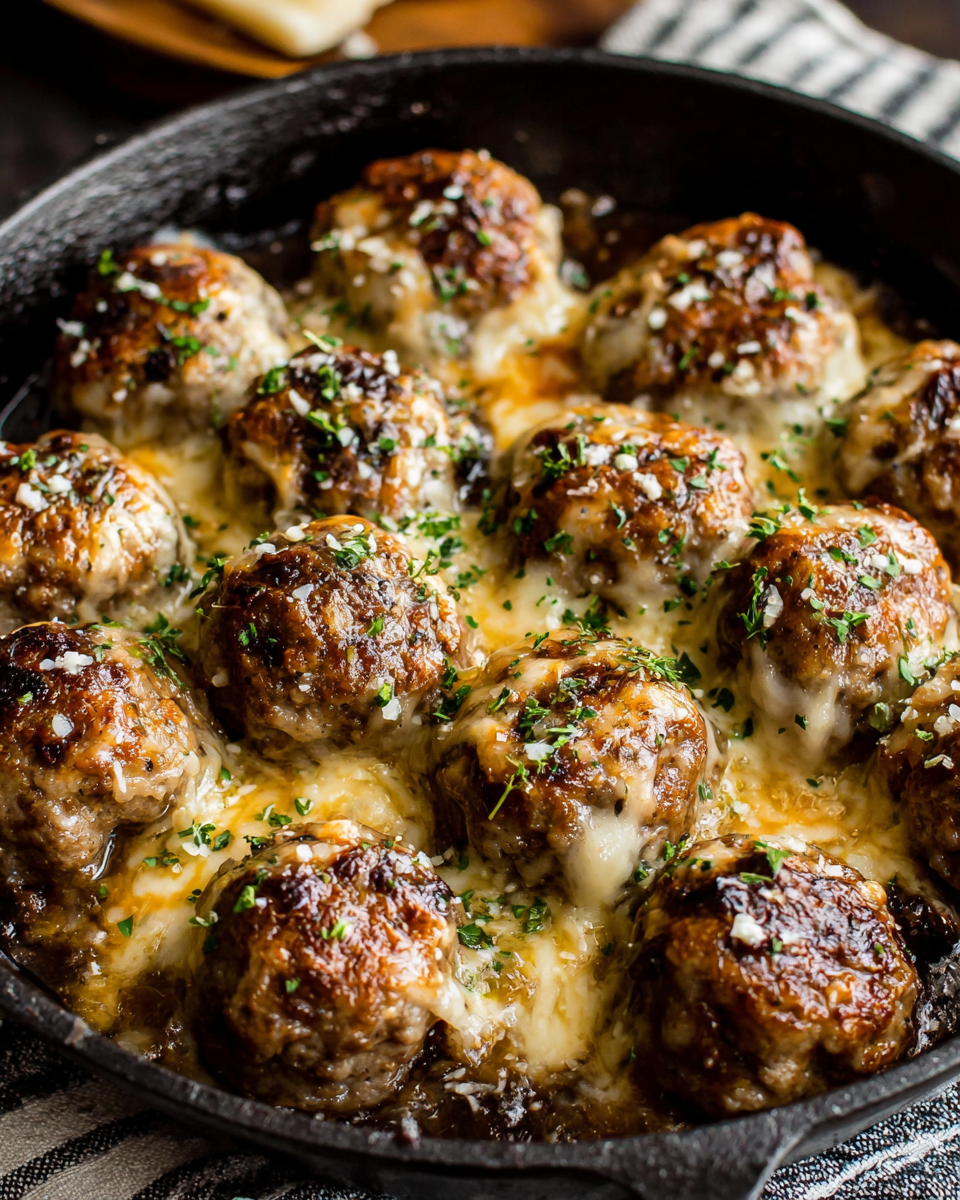
As the holidays approach, many home cooks turn their attention to creating memorable side dishes. One dish that never fails to impress is stuffing, but instead of the traditional casserole, consider crafting perfect stuffing balls. These bite-sized delights not only capture the essence of stuffing but allow for easy serving and a burst of flavor with every bite.
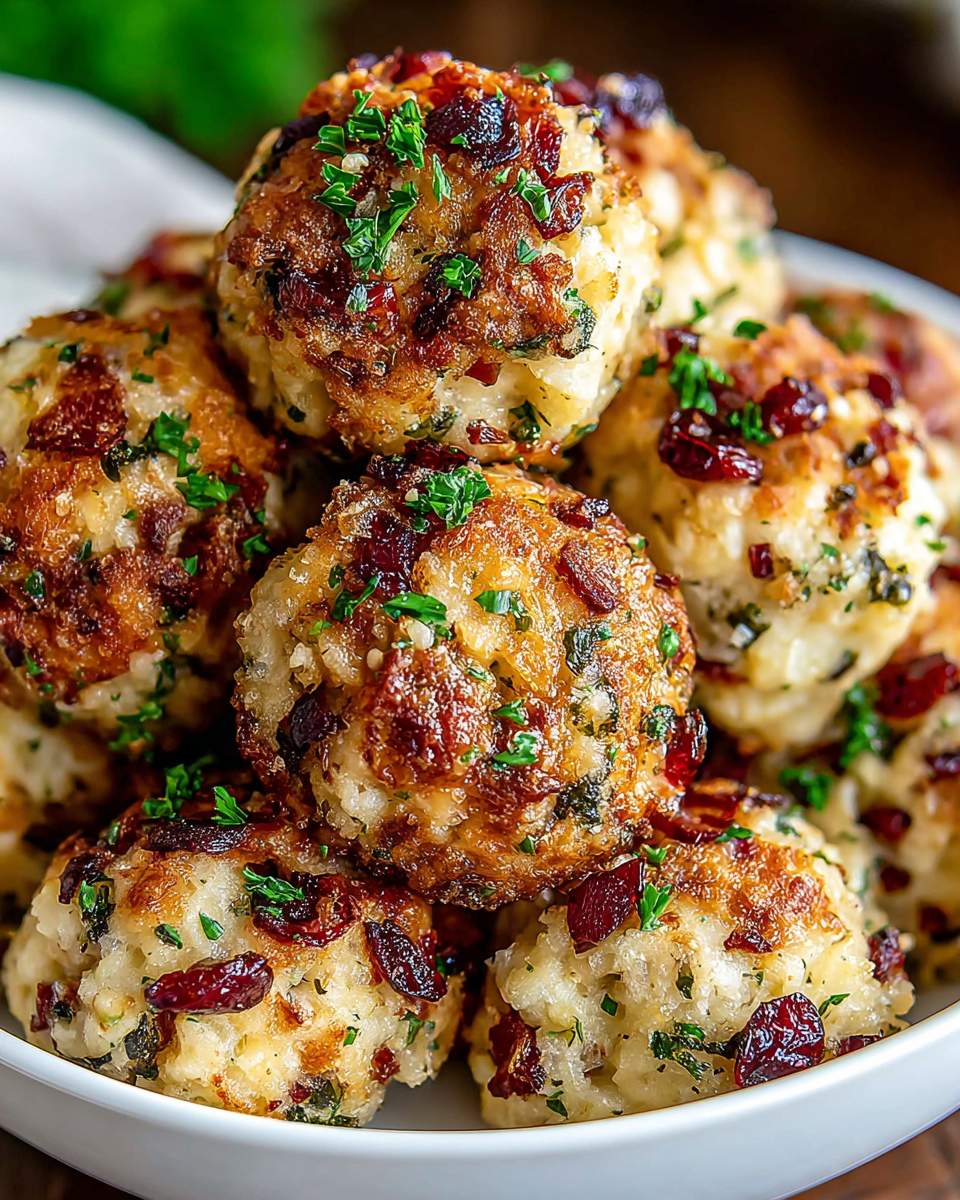
Perfect stuffing balls are versatile and can be tailored to complement any main course. Imagine the delightful crunch of a golden exterior giving way to a soft, savory interior with herbs, spices, and perhaps a hint of sweetness. They're not just a side; they're an irresistible part of the meal that invites compliments from family and friends.
Ingredients
- 6 cups bread cubes
The base of the stuffing, bread cubes provide the essential structure. Opt for a mix of day-old bread to enhance texture and flavor absorption. - 1 cup vegetable broth
Broth adds moisture and flavor, allowing the stuffing balls to keep their desired consistency while infusing a savory quality. - 1 large onion, finely chopped
Onions contribute a sweet and aromatic base flavor. When sautéed, they caramelize slightly, intensifying their taste and enhancing the overall aroma of the stuffing. - 2 stalks celery, finely diced
Celery adds a crisp texture, providing freshness and crunch that balances the softer elements of the stuffing. - 1/4 cup fresh parsley, chopped
Parsley brightens the flavors and adds color. Its herbal notes compliment the savory ingredients and keep the stuffing from feeling too dense. - 1 teaspoon dried thyme
Thyme offers an earthy, slightly minty flavor that is classic in stuffing recipes. It enhances the savory quality and complements the other herbs. - 1 teaspoon rosemary, chopped
Rosemary has a robust flavor that enhances meat dishes beautifully. Its fragrant, pine-like notes pair well with the stuffing's seasoning. - 1/2 cup grated Parmesan cheese
The cheese not only adds a rich, savory flavor but also helps bind the stuffing mixture, contributing to a crispy outer layer when baked. - 1 egg
Egg acts as a binding agent, ensuring that the stuffing holds together in a ball shape while adding moisture and richness to the texture. - Salt and pepper to taste
Seasoning is crucial for balancing and enhancing all the flavors. Adjust according to preference, ensuring a well-rounded taste.
Directions & Preparation
Step 1: Prepare the bread mixture.
Begin by preheating your oven to 375°F (190°C). In a large mixing bowl, combine the bread cubes with a pinch of salt and pepper. This step ensures the bread is well-seasoned before the addition of moisture, allowing the flavor to penetrate the cubes effectively.
Step 2: Sauté the vegetables.
In a skillet, heat a tablespoon of oil over medium heat. Add the chopped onions and celery, cooking until softened and fragrant, about 5-7 minutes. Sautéing the vegetables not only draws out their natural sweetness but also provides a deeper flavor profile that will infuse your stuffing balls.
Step 3: Mix in spices and herbs.
Stir in the sautéed vegetables with the bread mixture, followed by the chopped parsley, thyme, and rosemary. Mixing these ingredients while still warm helps to release their aromas and ensures an even distribution throughout the stuffing mixture.
Step 4: Add the moisture.
Pour the vegetable broth over the mixture gradually, tossing to combine. The goal is to lightly moisten the bread without soaking it completely. This step is essential as it allows the bread cubes to absorb flavor while retaining their structure.
Step 5: Incorporate the binding agents.
Mix in the grated Parmesan cheese and the beaten egg. The cheese adds richness and helps with binding, while the egg ensures that your stuffing balls will hold their shape during baking. Make sure not to overmix; you want to keep some texture.
Step 6: Form the stuffing balls.
With your hands, shape the mixture into balls about the size of a golf ball. This step is where you can be creative; the size and shape can vary based on your preference. Keep them uniform for even baking, and be gentle to prevent them from becoming too dense.
Step 7: Bake the stuffing balls.
Arrange the balls on a greased baking sheet, spacing them slightly apart. Bake in the preheated oven for 25-30 minutes or until golden brown. Baking allows the outside to crisp up, giving you that satisfying texture contrast while keeping the inside soft and fluffy.
Step 8: Serve and enjoy.
Once baked, allow the stuffing balls to cool slightly before serving. This waiting period helps them firm up a bit, making them easier to handle. Serve them warm alongside your holiday main dishes, and enjoy the delightful reactions from your guests.

Customize Your Flavor Profile
One of the joys of making stuffing balls is their adaptability. Consider adding dried fruits like cranberries or apricots for a sweet counterpoint to the savory elements. Alternatively, incorporating sausage or bacon can introduce a rich, meaty flavor, enhancing the overall depth. Don't hesitate experimenting to create your family’s unique take on this holiday classic.
Perfect Texture Achieved
Achieving the perfect texture is crucial for creating delightful stuffing balls. The combination of crispy exteriors with a moist, flavorful interior is what elevates this dish. Ensure that the mixture is neither too dry nor too wet; aim for a consistency that holds together without crumbling. This balance is key to preventing the stuffing balls from falling apart while ensuring each bite is satisfying.
Serving Suggestions to Impress
Stuffing balls can be served alongside turkey, ham, or even vegetable-based main dishes for a vegetarian-friendly meal. For an added touch, consider drizzling them with gravy or a light herb-infused oil just before serving. Pairing them with seasonal vegetables or a refreshing salad can enhance your holiday spread, creating a well-rounded meal that feels both festive and comforting.
FAQs
What can I do if my stuffing balls are too dry?
If the stuffing balls turn out too dry, consider adding a touch more broth or even a splash of water when mixing the ingredients. This will help moisture penetrate the mixture better.
Can I double the recipe for a larger gathering?
You can easily double the recipe. Just ensure you have ample space on your baking sheets and consider adjusting the baking time as needed.
What if my stuffing balls lack flavor?
If your stuffing balls seem bland, try adding more spices or incorporating sautéed garlic and shallots for a flavor boost. Tasting the mixture before baking can help adjust the seasoning.
How can I add a spicy kick to my stuffing balls?
To introduce some heat, consider mixing in crushed red pepper flakes or a touch of cayenne pepper for a pleasant warmth. Adjust according to your spice tolerance.
What should I do if the mixture is too gooey?
If the stuffing mixture feels too wet, incorporate additional bread or breadcrumbs incrementally until achieving the desired consistency.
Can I make stuffing balls with gluten-free bread?
Absolutely! Using gluten-free bread will work well. Just ensure the texture remains consistent, and adjust the broth as needed.
Conclusion
Perfect stuffing balls are a celebratory side that resonates with holiday traditions while offering an exciting twist. Their versatility empowers you to adapt flavors to suit your family's preferences and dietary needs.
As you prepare for festive gatherings, consider making these delightful stuffing balls part of your menu. Your guests will love their charming presentation and inviting flavors, making them an unforgettable addition to your holiday feast.
Recipe Card
Notes
Additional serving suggestions: pair with a crisp salad, garlic bread, or roasted seasonal vegetables for balance.
For make-ahead, prep components separately and assemble just before heating to preserve texture.
Taste and adjust with acid (lemon/vinegar) and salt right at the end to wake up flavors.