Introduction
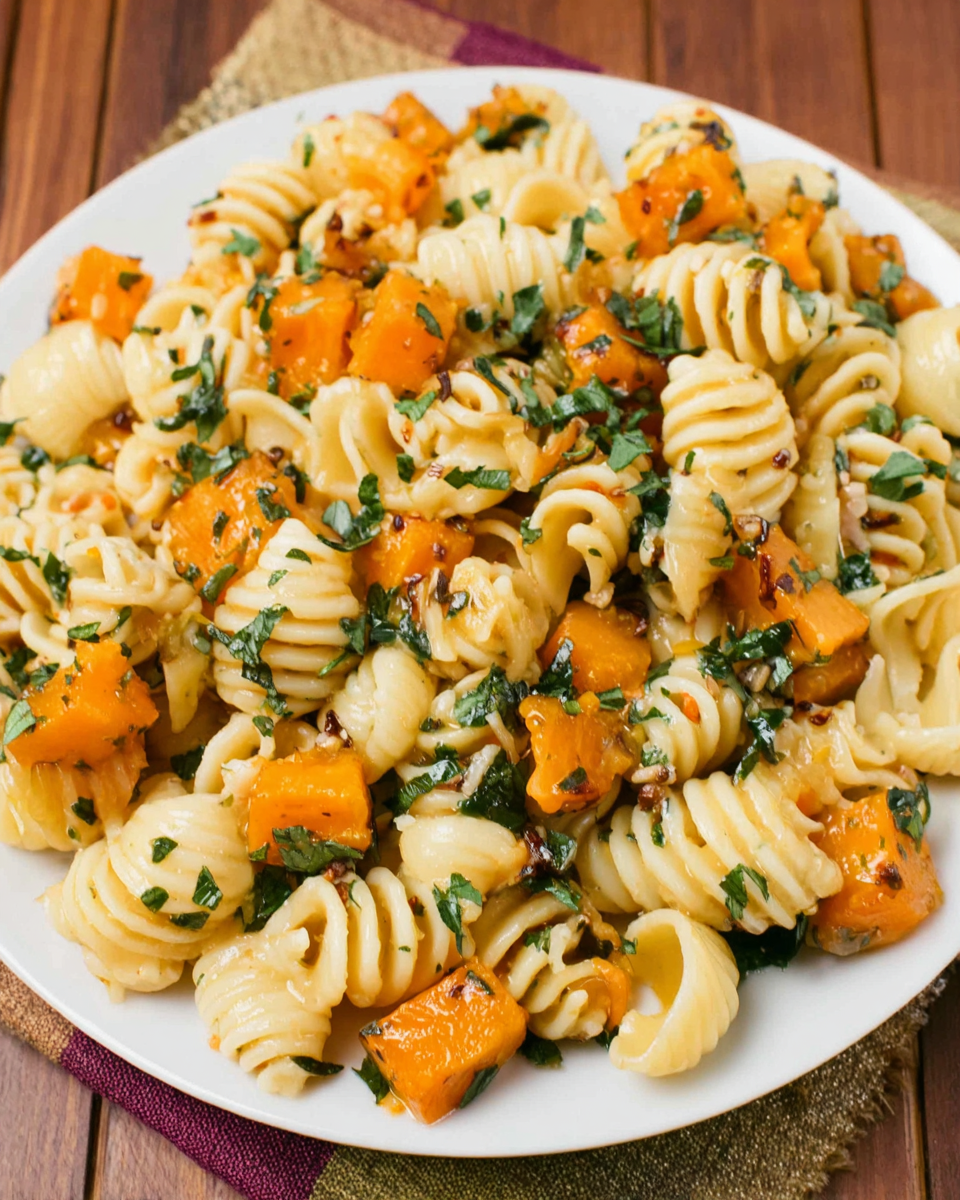
As the leaves turn golden and the days grow shorter, there's no better time to embrace the warmth of a comforting meal. Butternut squash and sage pasta brings the essence of autumn right to your dining table, combining earthy flavors and vibrant colors in a dish that warms both heart and soul.
This pasta dish is a delightful celebration of seasonal ingredients, with the sweet, nutty flavor of roasted butternut squash complemented by the aromatic notes of fresh sage. The combination creates a harmony that is perfect for those cozy evenings in when all you crave is something hearty yet elegant.
Easy enough for a weeknight dinner yet impressive enough for a gathering, this recipe invites you to bask in the joy of cooking. Let's dive into the details of crafting this autumnal favorite.
Ingredients
- 1 medium butternut squash, peeled and cubed
Butternut squash adds a naturally sweet flavor and creamy texture to the dish. When roasted, it caramelizes beautifully, enhancing the overall richness and depth of the sauce. - 2 tablespoons olive oil
Olive oil not only helps to roast the squash evenly, but it also brings a fruity note that complements the nutty flavors. It’s essential for enhancing the overall taste and mouthfeel of the dish. - 12 ounces pasta (such as fettuccine or penne)
The pasta serves as the backbone of the dish, providing substance and a vehicle for the sauce and squash. Choose a pasta shape that will hold onto the creamy goodness. - 3 cloves garlic, minced
Garlic infuses the dish with a warm, aromatic base. Its pungent flavor softens with cooking, lending depth to the overall profile of the dish. - 1 cup vegetable or chicken broth
The broth adds moisture and richness to the dish, creating a velvety texture for the sauce and blending seamlessly with the roasted squash. - 1/2 cup grated Parmesan cheese
Parmesan not only contributes a salty, savory kick but also helps emulsify the sauce, giving it a creamy, luxurious consistency that coats the pasta beautifully. - 1/4 cup fresh sage, chopped
Fresh sage adds an aromatic, earthy flavor that complements and balances the sweetness of the squash. It's a classic pairing, enhancing the autumnal vibe. - Salt and black pepper to taste
These are essential for seasoning the dish, allowing the natural flavors to shine. Proper seasoning ensures that every bite is well-rounded and satisfying. - Chili flakes (optional)
If you enjoy a hint of heat, chili flakes add a contrasting kick to the sweet and savory notes of the dish. Use them sparingly to balance the flavors.
Directions & Preparation
Step 1: Preheat the oven to 400°F (200°C).
Preheating the oven ensures that the butternut squash roasts evenly and develops that delicious caramelization. A proper temperature is crucial for achieving the right texture and flavor.
Step 2: Toss the cubed butternut squash with olive oil, salt, and pepper on a baking sheet.
Coating the squash with olive oil helps to enhance its natural sweetness while also aiding in browning. Make sure to spread the cubes out to prevent steaming and to promote even roasting.
Step 3: Roast the butternut squash for about 25-30 minutes until tender and slightly caramelized.
Roasting transforms the squash into a sweet, flavorful component of the dish. Check for doneness by piercing with a fork—aim for a golden color to ensure the right balance of sweetness.
Step 4: While the squash is roasting, cook the pasta according to package instructions until al dente.
Cooking the pasta to al dente ensures that it maintains a bit of bite, which is perfect for holding onto the sauce. Reserve a cup of pasta water for later use, as it will help adjust the sauce's consistency.
Step 5: In a large skillet, heat olive oil over medium heat and sauté the minced garlic until fragrant.
Sautéing garlic in olive oil releases its oils, infusing the dish with flavor. Be careful not to burn the garlic, as this can create a bitter taste that detracts from the dish's overall integrity.
Step 6: Add the roasted butternut squash and broth to the skillet, and mash the squash slightly with a fork.
Mashing the squash blends it with the broth, creating a rustic sauce that clings to the pasta. This step also allows the flavors to meld together, resulting in a more harmonious dish.
Step 7: Stir in the cooked pasta and Parmesan cheese, mixing well to coat.
Combining the pasta with the sauce while the heat is still on allows the cheese to melt and create a creamy coating. Adding pasta directly reduces the chances of it sticking together or clumping.
Step 8: Mix in chopped sage and adjust seasoning with salt, pepper, and chili flakes if using.
Incorporating fresh sage at the end retains its aromatic qualities, enhancing the pasta's flavor. Adjusting seasoning at this stage is crucial for balancing the dish to your taste.
Step 9: Serve warm, garnishing with additional Parmesan and sage if desired.
Garnishing enhances the presentation and adds an appealing visual element to the dish. Serving warm will ensure the flavors are fresh and inviting, perfect for cozy evenings.

The Sweetness of Roasted Squash
Roasting butternut squash is a transformative process that brings out its inherent sweetness, resulting in layers of flavor that are both rich and comforting. As the squash caramelizes in the oven, it develops a depth that is essential for creating a robust sauce. This simple technique highlights seasonal ingredients, making it a star in this autumn-inspired pasta.
Sage: The Herb of Autumn
Sage is often undervalued in culinary dishes, yet its earthy aroma and slightly peppery taste perfectly complement the sweetness of roasted vegetables. In this pasta dish, fresh sage not only enhances the flavor profile but also evokes the essence of fall. Its fragrant qualities add an inviting warmth, making it ideal for cozy nights spent indoors.
Pasta: The Heart of the Dish
The choice of pasta is fundamental to the overall enjoyment of this dish. Larger shapes like fettuccine or penne are excellent at capturing the creamy sauce, providing a delightful bite that holds up against the heartiness of the squash. By ensuring the pasta is cooked al dente, the dish maintains a satisfying texture that pairs beautifully with the rich flavors.
FAQs
What if my butternut squash is too firm after roasting?
If the squash is undercooked, simply return it to the oven for an additional 10 minutes to roast until it's tender and caramelized. Check occasionally to prevent burning.
Can I make this dish without cheese?
Yes! You can replace the Parmesan with nutritional yeast for a cheesy flavor without dairy or use a plant-based cheese substitute for a creamier texture.
What if my sauce is too thick?
If the sauce is too thick, gradually add reserved pasta water, stirring until it reaches your desired consistency. The pasta water is starchy and helps to loosen the sauce while adding flavor.
Can I use dried sage instead of fresh?
While fresh sage is preferred for its vibrant flavor, you can substitute dried sage. Use approximately 1 teaspoon of dried sage for every tablespoon of fresh, but add it earlier in the cooking process to allow the flavors to infuse.
How can I make this dish spicier?
To increase the heat, add more chili flakes when mixing in the sage or even incorporate a splash of red pepper sauce for an extra kick that complements the sweetness of the squash.
What is the best way to season the dish?
Taste your pasta before serving and adjust the seasoning with salt, black pepper, and possibly a squeeze of lemon juice for brightness. This final seasoning allows for a perfectly balanced flavor.
Conclusion
Butternut squash and sage pasta embodies the spirit of autumn with its rich flavors and comforting textures. Each bite offers a delightful blend of sweet and savory, creating a dish that is sure to become a seasonal favorite.
As you prepare this meal, don't hesitate to get creative with add-ins like toasted walnuts or spinach for added texture and flavor. Whether enjoyed solo or shared with loved ones, this pasta is a warm embrace on a chilly evening.
Recipe Card
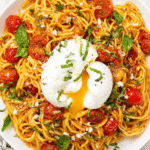
Creating a Delicious Burrata Pasta Experience
Ingredients
- 400 g pasta spaghetti or fettuccine
- 250 g burrata cheese
- 2 tablespoons olive oil
- 2 cloves garlic minced
- 300 g cherry tomatoes halved
- Fresh basil leaves for garnish
- Salt and pepper to taste
Instructions
- Cook the pasta according to package instructions.
- In a large skillet, heat olive oil over medium heat.
- Add minced garlic and halved cherry tomatoes to the skillet.
- Combine the drained pasta with the tomato mixture in the skillet.
- Fold in the burrata gently, allowing it to melt slightly.
- Season with salt and pepper, and garnish with fresh basil.
Notes
Additional serving suggestions: pair with a crisp salad, garlic bread, or roasted seasonal vegetables for balance.
For make-ahead, prep components separately and assemble just before heating to preserve texture.
Taste and adjust with acid (lemon/vinegar) and salt right at the end to wake up flavors.