Introduction
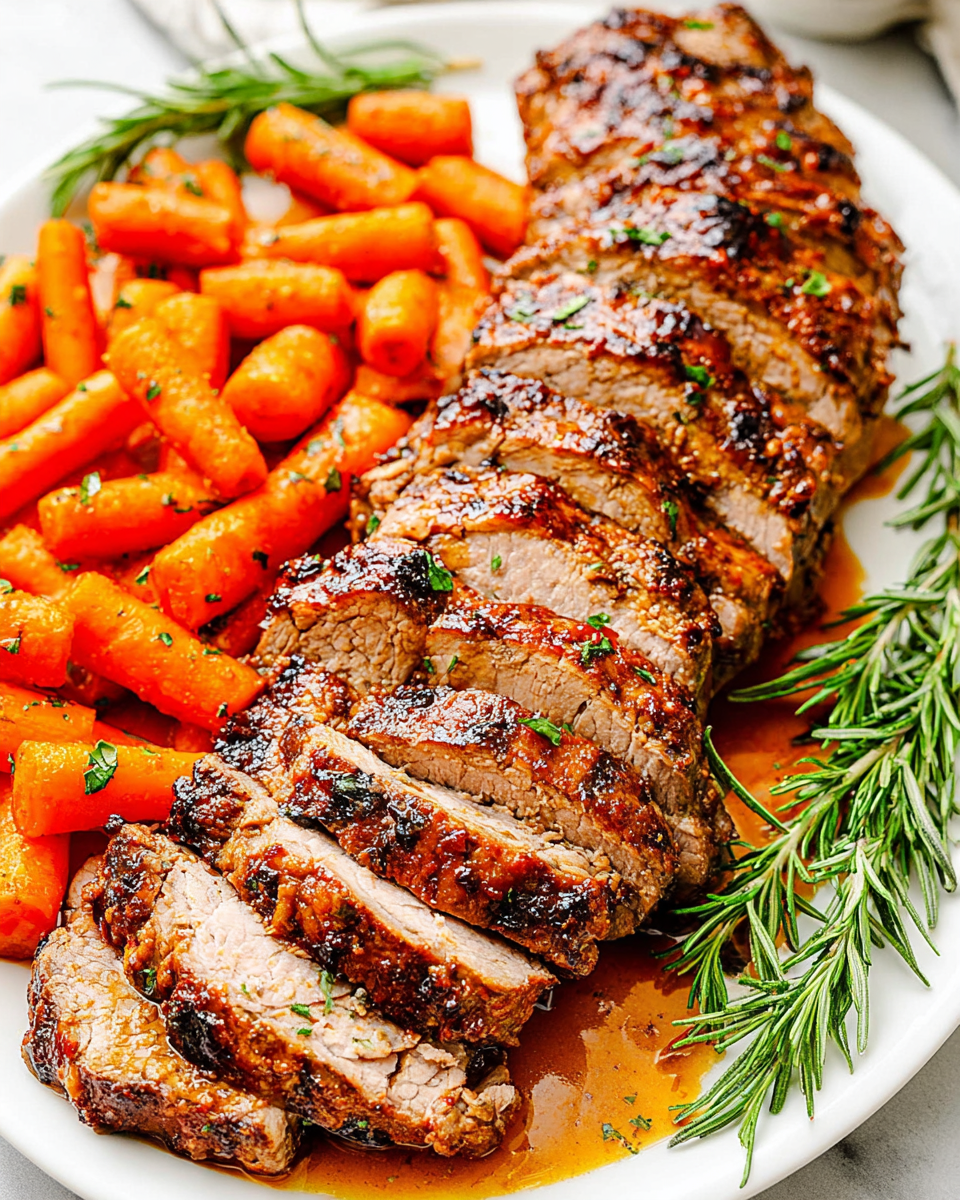
Pork tenderloin is a fantastic cut of meat that stands out for its tenderness and mild flavor. When properly seasoned and roasted, it can transform a simple meal into an unforgettable experience. The beauty of this dish lies in its versatility and ease of preparation, making it perfect for home cooks of all skill levels.
In this recipe, we will craft a juicy and succulent roasted pork tenderloin that is infused with aromatic herbs and spices. Whether it's a weeknight dinner or a weekend gathering, this dish is sure to impress your family and friends.
Ingredients
- 2 pounds pork tenderloin
As the star of the dish, pork tenderloin is lean and incredibly tender, making it ideal for roasting. Its mild flavor allows it to absorb seasonings beautifully. - 2 tablespoons olive oil
Olive oil helps to keep the meat moist and adds a rich flavor while promoting a golden, crispy exterior that enhances the overall texture. - 1 tablespoon freshly minced garlic
Garlic adds a robust aroma and rich flavor, complementing the natural taste of the pork. It infuses the meat while roasting. - 1 tablespoon fresh rosemary, chopped
Rosemary offers a woody fragrance and earthy taste that pairs wonderfully with pork, enhancing its depth of flavor. - 1 tablespoon fresh thyme, chopped
Thyme contributes a subtle earthy note that complements the other herbs, boosting the aromatic profile of the dish. - 1 teaspoon salt
Salt is crucial for enhancing the meat's natural flavors, ensuring that each bite is deliciously seasoned. - 1/2 teaspoon black pepper
Black pepper provides a slight heat that balances the flavors without overpowering them, adding a touch of warmth. - 1 tablespoon balsamic vinegar
Balsamic vinegar adds a tart sweetness that helps to tenderize the meat while contributing a rich depth of flavor. - 1 cup chicken broth
Chicken broth adds moisture during roasting, preventing the pork from drying out and enhancing its flavor profile. - Optional: vegetables for roasting (carrots, potatoes, etc.)
Roasting vegetables alongside the pork not only creates a complete meal but also allows them to absorb the delicious juices from the meat.
Directions & Preparation
Step 1: Preheat the oven to 400°F (200°C).
Preheating the oven is essential for creating the perfect roasting environment. An adequately heated oven ensures that the pork tenderloin develops a nice crust on the outside while remaining juicy inside.
Step 2: Prepare the pork tenderloin by trimming excess fat.
Trimming the pork tenderloin eliminates any unwanted, chewy bits of fat, which helps to create a more pleasant eating experience. This step ensures that the delicious flavor of the meat shines through without any distractions.
Step 3: In a small bowl, mix olive oil, garlic, rosemary, thyme, salt, black pepper, and balsamic vinegar to create a marinade.
The marinade plays a vital role in infusing flavors into the pork. Combining these ingredients not only enhances taste but also helps in forming a flavorful crust during roasting.
Step 4: Rub the marinade mixture all over the pork tenderloin, covering it thoroughly.
Rubbing the marinade into the meat allows the flavors to penetrate deeply, ensuring that every bite of the tenderloin is seasoned evenly. This step is crucial for achieving a well-flavored roast.
Step 5: In a large oven-safe skillet, heat some olive oil over medium-high heat.
Searing the pork in a hot skillet creates a beautiful crust that locks in moisture and flavor. This initial high heat is key for that signature roasted texture.
Step 6: Sear the pork on all sides until browned, about 2-3 minutes per side.
Searing develops a rich brown color while enhancing the flavor through the Maillard reaction. This step creates a savory base for your dish, contributing to its overall depth.
Step 7: Remove the skillet from heat and pour in the chicken broth.
Adding chicken broth to the skillet not only helps prevent the pork from drying out but also creates a flavorful cooking environment, adding moisture and depth to the dish.
Step 8: Transfer the skillet to the preheated oven and roast for 20-25 minutes, or until the internal temperature reaches 145°F (63°C).
Monitoring the internal temperature is vital for ensuring the pork remains juicy and safe to eat. Roasting it to 145°F allows for a perfect balance of tenderness and a slight hint of pink in the center.
Step 9: Let the pork rest for 5-10 minutes before slicing.
Resting the meat allows the juices to redistribute throughout, resulting in a juicy, flavorful roast. Cutting into it too soon could cause the juices to run out, leading to a dry meal.
Step 10: Slice and serve the pork tenderloin with the pan juices and any roasted vegetables.
Serving the pork with pan juices enhances the flavor and adds moisture to the dish. Including roasted vegetables not only makes for a complete meal but also showcases the versatility of the pork.

Elevate Your Flavors with Herbs
The choice of herbs can greatly influence the final taste of your roasted pork tenderloin. Fresh herbs like rosemary and thyme not only introduce aromatic qualities but also complement the pork's natural flavors. Experimenting with different herb combinations, such as sage or oregano, can create a new flavor profile each time you prepare this dish.
The Importance of Resting Meat
Resting your pork tenderloin after roasting may seem like a minor detail, but it's essential for achieving maximum juiciness. When you cook meat, the juices are pushed to the center. Allowing the pork to rest enables these juices to redistribute throughout the cut, ensuring that each slice is tender and moist. Skipping this step could lead to a dry roast.
Pairing Suggestions for a Wholesome Meal
Roasted pork tenderloin pairs beautifully with various sides, creating a balanced meal. Consider serving it with a fresh salad, roasted potatoes, or seasonal vegetables for a nutritious plate. You can also complement it with a light wine, such as Pinot Noir, enhancing the overall dining experience. This versatility allows you to tailor the meal based on your preferences.
FAQs
What if my pork tenderloin is overcooked?
If the pork is overcooked, it may become dry. To avoid this in the future, use a meat thermometer to ensure it reaches just 145°F.
Can I add other vegetables to roast with the pork?
Absolutely! Vegetables like carrots, parsnips, and potatoes roast beautifully alongside the pork, absorbing its flavors.
What can I do if my marinade seems too thick?
If your marinade is too thick, you can thin it with a little extra olive oil or balsamic vinegar until it reaches a consistency that can easily coat the pork.
How can I ensure my pork tenderloin is juicy?
For a juicy pork tenderloin, be sure to let it rest after cooking to let the juices redistribute, and avoid overcooking.
Can I use a different type of meat for this recipe?
Yes, you can substitute pork tenderloin with chicken breasts or even tofu for a vegetarian version, but adjust cooking times accordingly.
What if my roast doesn’t brown properly?
If your roast isn’t browning, ensure your skillet is hot enough before searing the meat. A thorough sear is key to a golden outside.
Conclusion
Roasted pork tenderloin is a wonderful dish that combines ease of preparation with restaurant-quality results. By selecting the right ingredients and following these straightforward steps, you are set to create a meal filled with flavor, tenderness, and joy.
Remember that the key to the perfect roast lies not just in cooking but also in enjoying the process. With each attempt, you'll discover new flavors and techniques, making this recipe a delightful staple in your home cooking repertoire.
Recipe Card

Savory Ground Beef Dishes for Cozy Evenings
Ingredients
- 1 lb ground beef
- 1 medium onion diced
- 2 cloves garlic minced
- 1 can 14 oz diced tomatoes
- 1 tablespoon chili powder
- 1 teaspoon cumin
- Salt and pepper to taste
- Toppings of your choice avocado, cheese, cilantro
Instructions
- Heat a large skillet over medium heat.
- Add diced onions and sauté until translucent.
- Add minced garlic and cook for an additional minute.
- Increase the heat to medium-high and add the ground beef.
- Stir in the diced tomatoes, chili powder, cumin, salt, and pepper.
- Reduce heat and let simmer for about 10 minutes.
- Serve hot, topped with your choice of toppings.
Notes
Additional serving suggestions: pair with a crisp salad, garlic bread, or roasted seasonal vegetables for balance.
For make-ahead, prep components separately and assemble just before heating to preserve texture.
Taste and adjust with acid (lemon/vinegar) and salt right at the end to wake up flavors.