Introduction
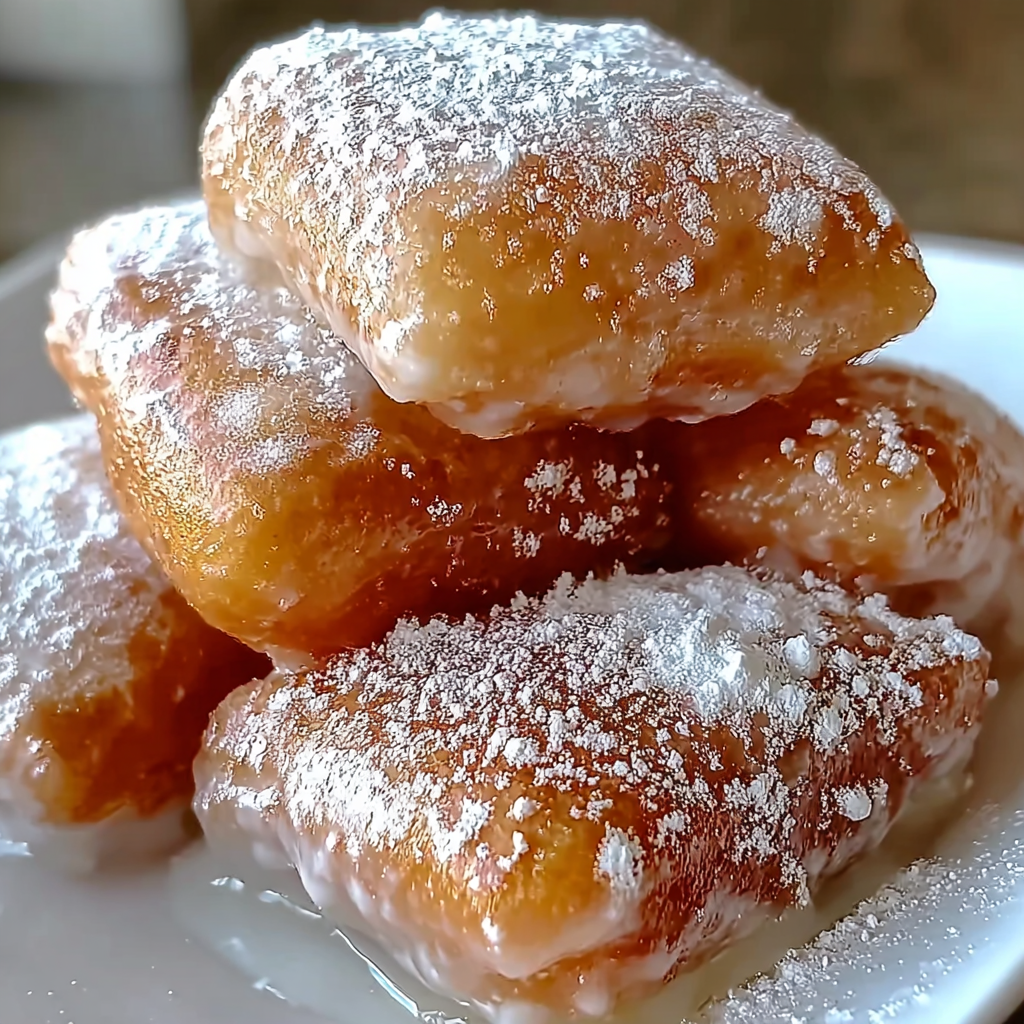
Buttermilk beignets are a delightful treat, often enjoyed for breakfast, dessert, or a special occasion. Their airy texture, combined with a light dusting of powdered sugar, makes them irresistible to anyone with a sweet tooth. Though they have roots in French cuisine, these pastries have been embraced worldwide.
Creating fluffy beignets at home might sound daunting, but the process is surprisingly straightforward. With a few essential ingredients and some patience, you can transform your kitchen into a magical space where golden-brown bites of bliss come to life. Let's embark on this delicious culinary adventure!
Ingredients
- 2 cups all-purpose flour
The backbone of our beignet dough, all-purpose flour provides the structure needed for the beignets to rise properly while remaining tender and light. Its gluten content is ideal for achieving that perfect fluffy texture. - 1/4 cup granulated sugar
Sugar contributes not only sweetness but also plays a crucial role in the browning process during frying. It enhances the flavor and creates a beautiful golden color on the beignets' exterior. - 1 tablespoon baking powder
Baking powder is a leavening agent that helps the beignets rise while cooking. It creates tiny bubbles in the batter, resulting in the light and airy texture that is characteristic of a well-made beignet. - 1/2 teaspoon salt
Salt is essential for balancing flavors. It enhances the sweetness of the sugar and brings out the rich taste of the buttermilk, creating a more complex and delicious final product. - 1 large egg
Eggs add richness and moisture to the dough, contributing to tenderness. They also help bind the ingredients together, ensuring the beignets hold their shape during frying. - 1 cup buttermilk
Buttermilk is a key ingredient, offering a slight tang that enhances flavor and a creamy texture that makes the dough soft and pliable. The acidity in buttermilk also reacts with the baking powder for optimal rise. - Vegetable oil for frying
The choice of frying oil is important; vegetable oil has a high smoke point and neutral flavor, allowing the beignets to fry evenly without imparting any unwanted taste. - Powdered sugar for dusting
Powdered sugar adds a heavenly sweetness and visually appealing finish to the beignets, making them even more tempting. The sugar melts slightly on the warm beignets, creating a delightful topping.
Directions & Preparation
Step 1: Prepare the dough
In a large mixing bowl, whisk together the flour, sugar, baking powder, and salt until combined. This step is crucial as it ensures an even distribution of the leavening agent and sugar throughout the flour. It creates the foundation of flavor and texture for the beignets. Combine the dry ingredients before adding the wet to avoid clumps and ensure a smooth dough.
Step 2: Incorporate wet ingredients
Make a well in the center of the dry ingredients and add the egg and buttermilk. Stir gently until just combined, being careful not to overmix. Overmixing can lead to dense beignets; the goal is a soft, slightly sticky dough. The moisture from the buttermilk and the richness of the egg contribute to the softness and flavor of the final product, so aim for a balance of ingredients without making the dough too tough.
Step 3: Chill the dough
Cover the bowl with plastic wrap and refrigerate the dough for about an hour. This chilling step enhances the flavors and allows the gluten to relax, making the dough easier to handle during rolling. Chilling also helps maintain the structure when frying, resulting in lighter beignets.
Step 4: Roll and cut the dough
After chilling, turn the dough out onto a lightly floured surface and roll it out to about 1/2-inch thick. Cut the dough into squares or circles. This step is critical as the shapes will affect how evenly and beautifully the beignets cook. Don't forget to keep the remaining scraps, as they can be re-rolled and fried, minimizing waste.
Step 5: Heat the oil
In a deep skillet or heavy pot, heat at least 2 inches of vegetable oil to 365°F (185°C). Use a thermometer to ensure accuracy; the right oil temperature is key for achieving that perfect crunch on the outside while keeping the inside fluffy. If the oil is too hot, the beignets will brown too quickly and be undercooked inside; too cool, and they will absorb excess oil, becoming greasy.
Step 6: Fry the beignets
Gently place a few beignet pieces into the hot oil, taking care not to overcrowd the pan. Fry for about 2-3 minutes on each side until they puff up and turn a golden brown. Turn them carefully with a slotted spoon, ensuring even cooking. This frying process creates a delightful contrast in textures, resulting in a crispy exterior while retaining a fluffy, moist center.
Step 7: Drain and dust
Once cooked, transfer the beignets to a plate lined with paper towels to drain excess oil. After a minute, while still warm, dust them generously with powdered sugar. The warmth allows the sugar to melt slightly, adhering to the surface and creating a beautiful finish. A generous sprinkle of sugar not only enhances sweetness but also visually elevates your beignets, making them irresistible.
Step 8: Serve warm
Beignets are best enjoyed fresh and warm, so serve them immediately after dusting. Pair with coffee or hot chocolate for an extra indulgent treat. This is the moment to savor your creation; the texture and flavor are at their peak when consumed shortly after frying. You might find it hard to stop at just one!

The Importance of Chilling the Dough
Chilling the beignet dough is often overlooked, yet it plays a pivotal role in achieving the ideal texture. By allowing the dough to rest in the refrigerator, the gluten flour relaxes, which makes it easier to roll out while also preventing overdeveloping. This step also deepens the flavors as the ingredients have time to meld, setting the stage for an even more delicious final product.
Choosing the Right Frying Oil
Selecting an oil with a high smoke point is crucial for frying beignets. Vegetable oil, canola oil, or peanut oil work best, as they can withstand the high temperatures needed for proper frying without burning. The neutral flavor of these oils allows the sweet pastry to shine, while their stability ensures even cooking and a crispy texture on the outside.
The Art of Dousing in Powdered Sugar
Dusting your fresh beignets with powdered sugar not only enhances their sweetness but also adds an inviting visual appeal. As the warm pastries come out of the fryer, the slight moisture from the heat allows the sugar to adhere, creating a glossy and decadent finish. It’s a simple step that turns a delightful pastry into an extravagant indulgence, so don’t hold back on the sugar!
FAQs
Why are my beignets too thick?
If your beignets are too thick, it may be due to not rolling the dough out thin enough. Aim for about 1/2-inch thickness for proper puffing. Ensure your oil is hot enough, as cooler oil may lead to unexpanded, dense beignets.
What if my beignet dough is too sticky?
If your dough is too sticky to handle, try adding a small amount of extra flour while kneading. However, be cautious not to overdo it, as too much flour can make the beignets dry. You can also chill the dough longer to make it easier to work with.
Why do my beignets taste bland?
Bland beignets might result from not adding enough sugar or not adequately seasoning the dough with salt. Ensure to follow the ingredient quantities carefully, as both sugar and salt enhance flavor.
What if my beignets are overcooked?
If your beignets are overcooked, they will be dark brown and possibly dry inside. Adjust the frying temperature and time, ensuring to monitor closely. Cooking them in smaller batches can help you keep a better eye on them.
Can I substitute buttermilk with milk and vinegar?
Yes, if you don't have buttermilk, you can make a buttermilk substitute by adding 1 tablespoon of vinegar to 1 cup of milk. Let it sit for a few minutes to curdle slightly. This mixture mimics the acidity of buttermilk, helping with the beignet’s texture.
How can I make smaller beignets?
To make smaller beignets, simply roll out the dough thinner and cut smaller squares or circles. Lower the frying time to ensure they don't overcook, usually around 1-2 minutes per side for smaller pieces.
Conclusion
With a little practice and care, making buttermilk beignets at home can become a cherished tradition. These airy pastries, dusted with powdered sugar, promise to transform your mornings into something special or serve as a delightful dessert for gatherings. The warmth and comfort they bring are simply unparalleled.
So gather your ingredients, roll up your sleeves, and dive into the delicious world of homemade beignets. Whether enjoyed with a cup of coffee or shared with loved ones, these treats are bound to elevate any occasion.
Recipe Card

Deliciously Fluffy Buttermilk Beignets to Savor
Ingredients
- 2 cups all-purpose flour
- 1/4 cup granulated sugar
- 1 tablespoon baking powder
- 1/2 teaspoon salt
- 1 large egg
- 1 cup buttermilk
- Vegetable oil for frying
- Powdered sugar for dusting
Instructions
- Prepare the dough
- Incorporate wet ingredients
- Chill the dough
- Roll and cut the dough
- Heat the oil
- Fry the beignets
- Drain and dust
- Serve warm
Notes
Additional serving suggestions: pair with a crisp salad, garlic bread, or roasted seasonal vegetables for balance.
For make-ahead, prep components separately and assemble just before heating to preserve texture.
Taste and adjust with acid (lemon/vinegar) and salt right at the end to wake up flavors.