Introduction
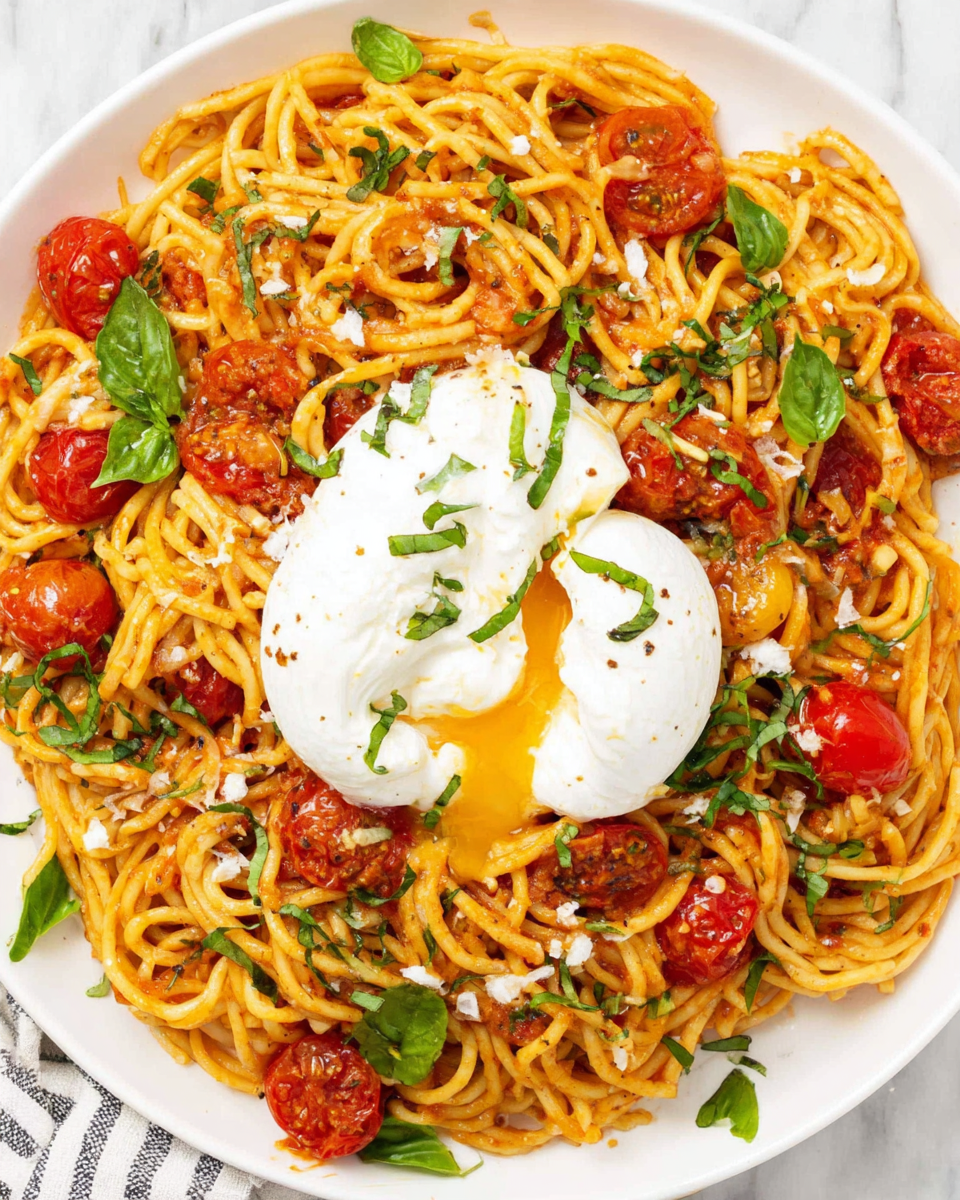
Burrata pasta has become a beloved dish among food enthusiasts for its creamy texture and rich flavor profile. This dish elevates the classic pasta experience with the addition of fresh burrata, bringing an indulgent quality that is hard to resist.
As comforting as it is elegant, this pasta is perfect for a cozy dinner or when entertaining guests. With a combination of seasonal ingredients and simple techniques, you'll be able to craft a meal that feels both gourmet and approachable.
Ingredients
- 400g pasta (spaghetti or fettuccine)
The choice of pasta serves as the base of the dish, providing texture and a vehicle for the sauce. Spaghetti or fettuccine works well to capture the creamy sauce, allowing each bite to be flavorful. - 250g burrata cheese
Burrata is the star of this dish, with its soft outer shell and creamy interior. When broken into the warm pasta, it melts slightly, enriching the sauce and adding a luxurious touch. - 2 tablespoons olive oil
Olive oil is essential for sautéing and brings a fruity note that enhances the overall flavor of the dish. It also helps to create a light coating around the pasta, ensuring everything adheres beautifully. - 2 cloves garlic, minced
Garlic adds depth and aroma to the dish. When sautéed, it releases its natural oils and flavors, creating a fragrant base that complements the richness of the burrata. - 300g cherry tomatoes, halved
Cherry tomatoes add a burst of sweetness and acidity, balancing the creamy burrata. Their juiciness helps to create a light sauce that binds the dish together without overwhelming it. - Fresh basil leaves, for garnish
Basil brings a fresh, herbal note that brightens up the dish. Its vibrant flavor contrasts beautifully with the rich burrata and tomatoes, making it a necessary finishing touch. - Salt and pepper, to taste
Salt enhances the flavors of all ingredients, while freshly cracked pepper adds a gentle warmth. Adjusting these to your taste helps ensure the dish meets your flavor preferences.
Directions & Preparation
Step 1: Cook the pasta according to package instructions.
Boiling the pasta until al dente is key for achieving the perfect texture, as it will continue to cook slightly once mixed with the sauce. Be sure to reserve about a cup of the pasta cooking water before draining, which can help adjust the sauce's consistency later.
Step 2: In a large skillet, heat olive oil over medium heat.
Heating the olive oil is crucial for properly sautéing the garlic without burning it. The goal is to infuse the oil with garlic flavor, so watch it closely and stir frequently to ensure it becomes aromatic, about 1–2 minutes.
Step 3: Add minced garlic and halved cherry tomatoes to the skillet.
Adding the garlic first allows it to release its flavors, while the tomatoes provide moisture and acidity. Cook until the tomatoes start to soften and burst, creating a light sauce, approximately 3–5 minutes.
Step 4: Combine the drained pasta with the tomato mixture in the skillet.
Tossing the pasta in the skillet allows it to soak up the flavors of the garlic and tomatoes. If the mixture appears dry, gradually add reserved pasta water until the desired sauce consistency is achieved.
Step 5: Fold in the burrata gently, allowing it to melt slightly.
Incorporating the burrata at the end ensures it maintains its creamy texture and richness. As it warms, it will coat the pasta, creating a luscious sauce that's both decadent and comforting.
Step 6: Season with salt and pepper, and garnish with fresh basil.
Adjusting the seasoning at this stage enhances the overall taste. Fresh basil not only adds color but also brings a crisp, aromatic finish to the dish, which balances the richness of the burrata.

Choosing the Right Pasta for Your Dish
Selecting the appropriate pasta is vital to the success of your burrata pasta. The shape and size of the pasta play a significant role in how well the sauce clings to each piece. Long, thin varieties like spaghetti or wider ribbons like fettuccine allow the creamy burrata to coat without overwhelming the dish.
Elevating Flavors with Seasonal Ingredients
Incorporating seasonal produce not only enhances flavor but also supports local agriculture. Consider adding ingredients like zucchini, asparagus, or peas for a pop of color and taste, keeping the core components while introducing new elements that mirror the dish's essence.
Perfect Pairings for a Complete Meal
To create a well-rounded dining experience, consider serving a light salad or crusty bread alongside your burrata pasta. A simple arugula salad with lemon vinaigrette or garlic bread can complement the dish without overshadowing it, making for a delightful meal that celebrates all the flavors.
FAQs
What if my sauce is too thick?
If your sauce turns out thicker than desired, simply add a splash of the reserved pasta water incrementally while tossing the pasta. This will help loosen the sauce without compromising the flavor.
Can I use another type of cheese instead of burrata?
While burrata is the star for its creamy richness, you could try fresh mozzarella or ricotta as alternatives. Just remember that these options will alter the dish's texture and overall creaminess.
What if my garlic burns?
If your garlic burns, it can impart a bitter flavor to the dish. Start fresh by lower the heat and adding new oil, allowing the garlic to cook gently without burning.
How can I add more vegetables to this pasta?
To incorporate more vegetables, consider adding sautéed spinach, arugula, or sautéed mushrooms during the mixing phase. These additions will enhance flavor and nutrition while maintaining the dish’s balance.
What if my cherry tomatoes are too acidic?
If your tomatoes taste too acidic, a pinch of sugar can help balance the acidity. Add it during the sautéing step, tasting as you go to achieve the desired balance without overpowering the other flavors.
Can I make this dish vegan-friendly?
To cater to a vegan diet, omit the burrata and replace it with a plant-based cream or cashew-based alternative, along with nutritional yeast for a cheesy flavor. Adjust seasonings to maintain depth and richness.
What should I do if my pasta is overcooked?
If you overcook your pasta, it may be mushy and lose its appeal. Unfortunately, once it's done, there’s no way to reverse it, but you can salvage the dish by mixing it with extra ingredients that add texture, like nuts or crispy vegetables.
Conclusion
Perfecting burrata pasta is about balancing rich and light flavors, allowing each ingredient to shine. With a few simple techniques and attentiveness, you can create a dish that feels indulgent while being approachable for the home cook.
Embrace the versatility of this dish by experimenting with seasonal ingredients and personal touches. Whether it’s a weeknight dinner or a gathering with friends, burrata pasta is sure to impress.
Recipe Card
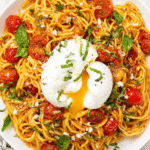
Creating a Delicious Burrata Pasta Experience
Ingredients
- 400 g pasta spaghetti or fettuccine
- 250 g burrata cheese
- 2 tablespoons olive oil
- 2 cloves garlic minced
- 300 g cherry tomatoes halved
- Fresh basil leaves for garnish
- Salt and pepper to taste
Instructions
- Cook the pasta according to package instructions.
- In a large skillet, heat olive oil over medium heat.
- Add minced garlic and halved cherry tomatoes to the skillet.
- Combine the drained pasta with the tomato mixture in the skillet.
- Fold in the burrata gently, allowing it to melt slightly.
- Season with salt and pepper, and garnish with fresh basil.
Notes
Additional serving suggestions: pair with a crisp salad, garlic bread, or roasted seasonal vegetables for balance.
For make-ahead, prep components separately and assemble just before heating to preserve texture.
Taste and adjust with acid (lemon/vinegar) and salt right at the end to wake up flavors.