Introduction
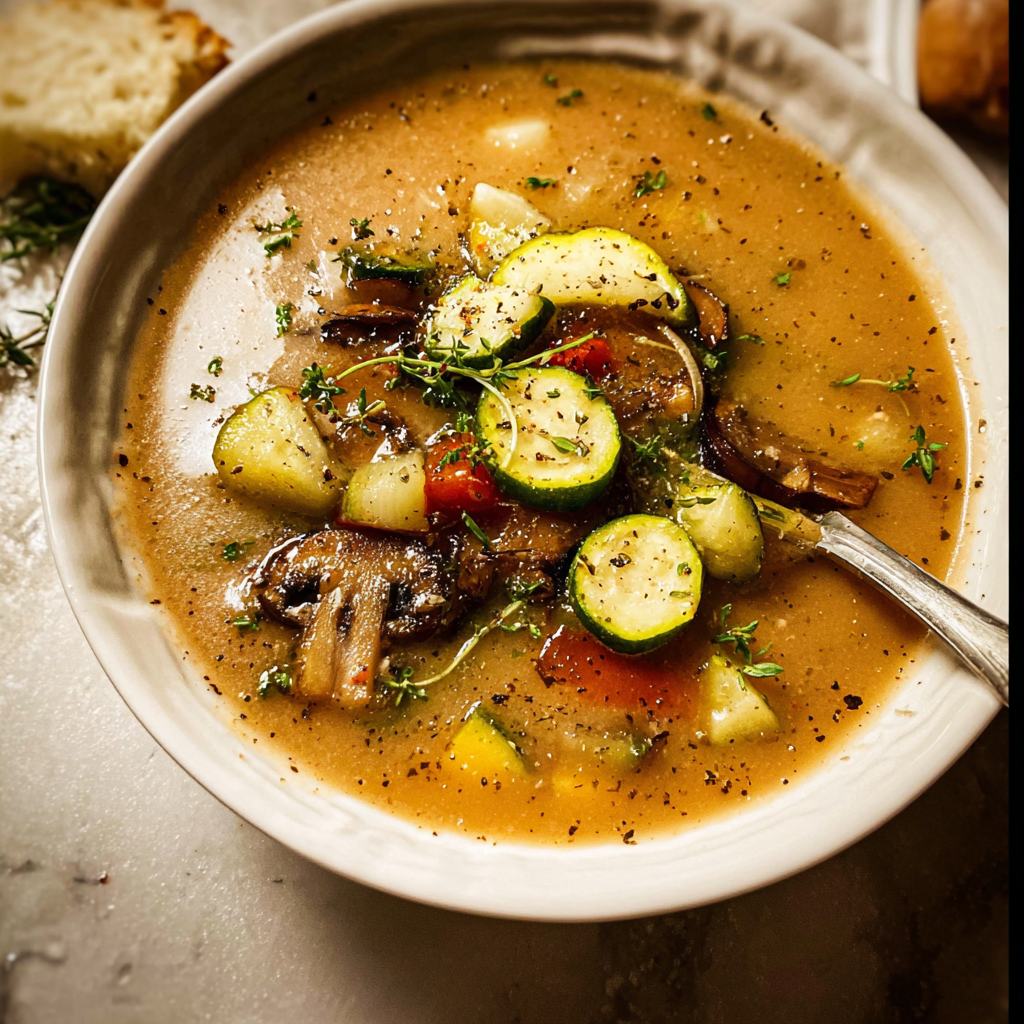
Ratatouille is a quintessential French dish that celebrates the vibrant and diverse vegetables of summer. While traditionally served as a roasted dish, transforming ratatouille into a comforting soup offers a new and delightful way to enjoy its rich flavors. This recipe encapsulates the essence of vibrant vegetables, infused with aromatic herbs and spices, resulting in a cozy bowl that warms the soul.
As cooler months approach, this Ratatouille Soup stands out not only for its tastes but also for its simplicity in preparation. Home cooks can wholeheartedly embrace their culinary creativity by adjusting it to their own preferences and vegetable availability. Whether paired with crusty bread or enjoyed on its own, this soup promises comfort, nutrition, and warmth in every spoonful.
Ingredients
- 1 medium eggplant, diced
Eggplant adds a creamy richness and absorbs flavors beautifully. When cooked, it offers a hearty texture, making the soup more filling. - 2 zucchinis, diced
Zucchini brings a mild sweetness and a lovely green color to the soup. Its subtle flavor enhances the dish without overpowering the other vegetables. - 1 bell pepper, diced (red or yellow)
Bell peppers contribute a crunchy texture and a hint of sweetness, elevating the overall flavor profile. Their bright color also beautifies the bowl. - 1 medium onion, chopped
Onions form the aromatic base of the soup, providing essential depth and sweetness when sautéed. They are crucial for building flavor from the start. - 2 cloves garlic, minced
Garlic infuses the soup with a fragrant aroma and a punch of flavor. Its role in adding complexity is vital, particularly in a vegetable-forward dish like this. - 4 ripe tomatoes, chopped
Tomatoes lend acidity and natural sweetness, creating a balanced taste. They contribute to the soup’s body and enhance its rich color. - 4 cups vegetable broth
The broth is the soup’s backbone, providing both hydration and flavor. Using a good-quality broth elevates the entire dish’s taste. - 1 tablespoon olive oil
Olive oil enriches the soup and helps sauté the initial vegetables. It adds a luxurious mouthfeel and enhances flavors with its fruity notes. - 1 teaspoon dried thyme
Thyme brings an earthy and aromatic quality, supporting the natural flavors of the vegetables. It is a classic herb choice for Italian and French cuisine. - 1 bay leaf
Bay leaves add a subtle depth that rounds out the soup. They release their flavor slowly, which enhances the complexity of the dish. - Salt and pepper, to taste
Salt handles seasoning, elevating flavors, while pepper introduces warmth and a light spiciness. Both should be adjusted thoughtfully.
Directions & Preparation
Step 1: Heat the olive oil in a large pot over medium heat.
Starting with heated olive oil ensures that the vegetables are properly sautéed right from the beginning. It creates a warm environment for the onions and aromatic ingredients, allowing their flavors to develop and deepen effectively.
Step 2: Sauté the chopped onions until translucent, about 5 minutes.
Cooking onions to this point brings out their natural sweetness and aromatic potential. They form the foundation of the soup's flavor profile, making this step crucial for a well-rounded dish.
Step 3: Add minced garlic and continue to sauté for an additional 1-2 minutes until fragrant.
Garlic needs only a short time to infuse its flavor into the oil, transforming the base of your soup. Be careful not to burn it, as that can result in bitterness.
Step 4: Stir in the diced eggplant, zucchini, and bell pepper; cook for 5-7 minutes until they start to soften.
This step is about layering flavors. Sautéing the eggplant and zucchini allows them to begin releasing their moisture and flavors. The bell pepper will slightly caramelize, enhancing its sweetness.
Step 5: Add chopped tomatoes, stirring well to combine all vegetables.
Introducing the tomatoes now adds acidity and moisture to the pot. As they cook, they’ll break down and blend with the other vegetables to build a rich soup base.
Step 6: Pour in the vegetable broth and add thyme and bay leaf. Bring to a boil.
This step infuses the soup with its main liquid and flavors. Bringing it to a boil helps to meld the ingredients together, releasing the aromas of the herbs and the essence of the vegetables.
Step 7: Reduce heat and let it simmer for 20-30 minutes, stirring occasionally.
Simmering allows the flavors to meld beautifully, and the vegetables become tender. Stirring occasionally prevents sticking and ensures even cooking, enhancing the finish.
Step 8: Remove the bay leaf, season with salt and pepper, and adjust spices if necessary.
Taking out the bay leaf is essential since it's not consumable. Seasoning at the end allows for better control over the final taste, ensuring it suits your preferences.
Step 9: Serve hot, garnished with fresh herbs if desired.
Presenting the soup with a sprinkle of fresh herbs adds a pop of color and a burst of freshness. This final touch enhances the dish’s appeal and flavor, making every bowl delightful.

Layering the Vegetable Flavors
The beauty of Ratatouille Soup lies in its ability to showcase the natural flavors of vegetables. Layering allows each component to shine through, rather than simply blending together. By sautéing the vegetables in stages, you build complexity—first, the onions and garlic, then the firmer textures like eggplant, followed by the softer zucchinis and peppers. This methodology ensures the soup has depth and an inviting flavor.
Adjusting Consistency for Enjoyment
Consistency can make or break a soup, and Ratatouille Soup is no exception. Depending on your preference, you can adjust the texture during the blending process. If you desire a thicker consistency, blend a portion of the soup, or for a chunkier feel, blend just a few vegetables. Always remember to consider how the soup is served—it can easily adapt to personal tastes with simple alterations.
Serving Suggestions that Complement
While Ratatouille Soup is satisfying on its own, consider pairing it with crusty bread or a sprinkle of grated cheese for added richness. Fresh basil, croutons, or a dollop of sour cream or yogurt can elevate the experience. You could also serve it alongside a mixed greens salad to balance its hearty character, creating a fulfilling meal that delights the palate.
FAQs
What can I do if the soup is too thick?
If the soup turns out too thick for your liking, simply add additional vegetable broth or water a little at a time until you reach your desired consistency.
My Ratatouille Soup tasted bland. What went wrong?
Bland flavors often stem from insufficient seasoning. Be sure to taste and adjust salt and pepper levels before serving, and consider adding a splash of vinegar for brightness.
Can I use tomatoes from a can instead of fresh?
Yes, canned tomatoes can easily be substituted for fresh tomatoes. Choose whole, diced, or crushed varieties, but adjust the liquid content in the recipe as canned tomatoes often contain extra juice.
Why are my vegetables not softening enough?
If your vegetables are not softening, they may need more time to cook. Make sure to keep an eye on them while simmering and stir occasionally to ensure even cooking.
Is it possible to add beans for extra protein?
Definitely! Adding canned or cooked beans, like cannellini or chickpeas, can boost protein content and make the soup even heartier, creating a satisfying meal.
Can I adjust the herbs to my liking?
Absolutely! Feel free to modify the herbs based on your preferences. Fresh herbs like parsley or rosemary can be delightful alternatives depending on the flavor profile you're seeking.
Conclusion
Ratatouille Soup is a splendid way to celebrate the bounty of vegetables and create a delightful meal that's bursting with flavor. By following these steps, you can make adjustments that cater to your taste and dietary needs while enjoying an aromatic cooking experience.
No matter the season, this simple yet flavorful soup can warm your kitchen and your heart. Embrace the flavors, enjoy the process, and savor each spoonful that holds the charm of classic French cooking.
Recipe Card

Savoring the Depths of Ratatouille Soup
Ingredients
- 1 medium eggplant diced
- 2 zucchinis diced
- 1 bell pepper diced (red or yellow)
- 1 medium onion chopped
- 2 cloves garlic minced
- 4 ripe tomatoes chopped
- 4 cups vegetable broth
- 1 tablespoon olive oil
- 1 teaspoon dried thyme
- 1 bay leaf
- Salt and pepper to taste
Instructions
- Heat the olive oil in a large pot over medium heat.
- Sauté the chopped onions until translucent, about 5 minutes.
- Add minced garlic and continue to sauté for an additional 1-2 minutes until fragrant.
- Stir in the diced eggplant, zucchini, and bell pepper; cook for 5-7 minutes until they start to soften.
- Add chopped tomatoes, stirring well to combine all vegetables.
- Pour in the vegetable broth and add thyme and bay leaf. Bring to a boil.
- Reduce heat and let it simmer for 20-30 minutes, stirring occasionally.
- Remove the bay leaf, season with salt and pepper, and adjust spices if necessary.
- Serve hot, garnished with fresh herbs if desired.
Notes
Additional serving suggestions: pair with a crisp salad, garlic bread, or roasted seasonal vegetables for balance.
For make-ahead, prep components separately and assemble just before heating to preserve texture.
Taste and adjust with acid (lemon/vinegar) and salt right at the end to wake up flavors.