Introduction
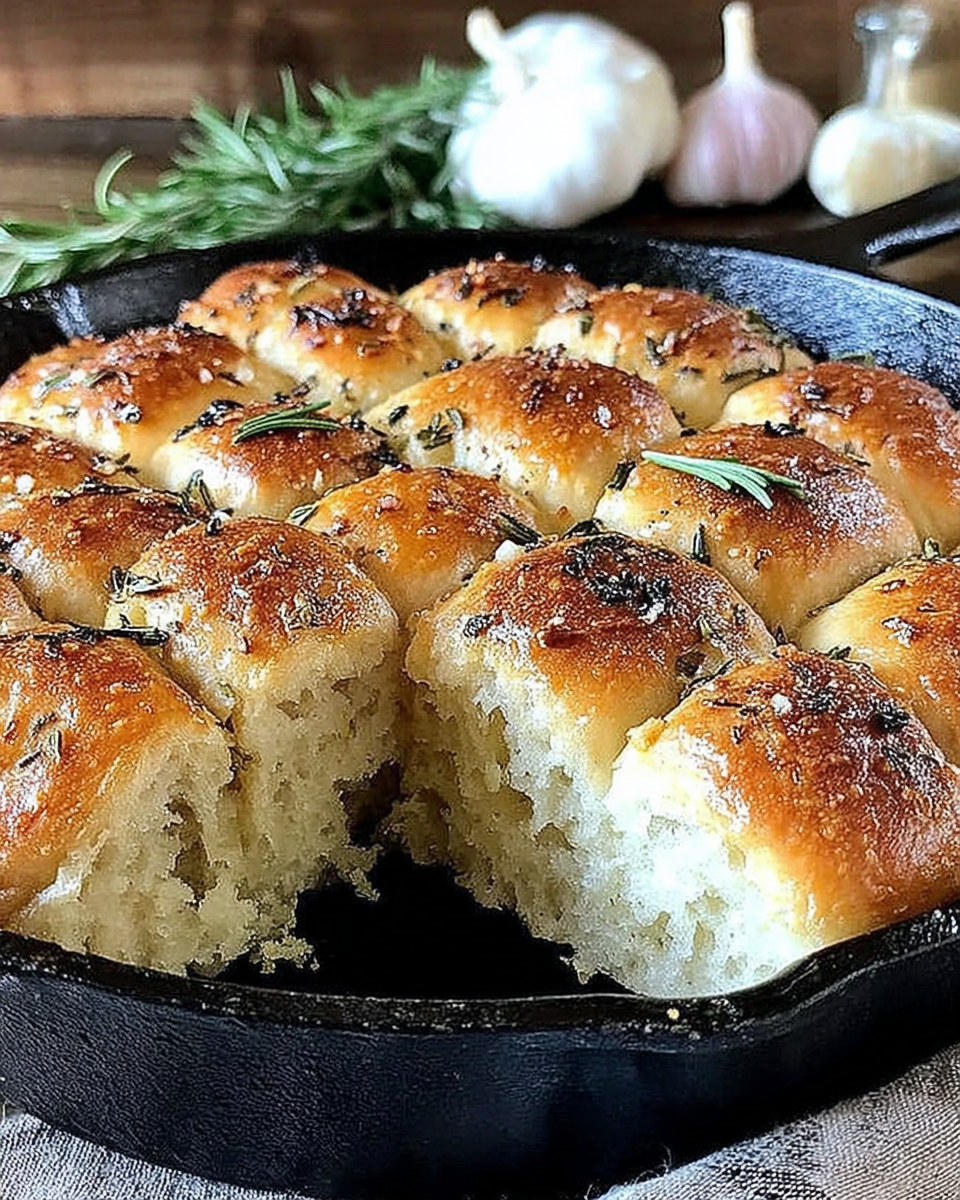
There's something undeniably comforting about baking bread at home, especially when it brings together the fragrant notes of garlic and rosemary. Rustic garlic rosemary skillet bread is not only simple to make but also results in a crispy crust with a soft, aromatic interior that pairs beautifully with various meals.
This bread is perfect for sharing or enjoying solo, straight from the skillet. Its easy preparation makes it an ideal choice for novice bakers and seasoned cooks alike. The combination of garlic and rosemary offers a touch of rustic charm, infusing your kitchen with a warm, inviting aroma.
Ingredients
- 2 cups all-purpose flour
All-purpose flour is the backbone of this rustic bread, providing the necessary gluten to create structure and chew. It also allows for a tender crumb, making the bread light yet satisfying. - 1 tablespoon baking powder
Baking powder acts as a leavening agent, helping the dough rise as it bakes. This creates a light texture and height in the bread, ensuring it doesn’t turn out dense. - 1 teaspoon salt
Salt enhances the flavor of the bread, balancing the savory notes from the garlic and rosemary. It also strengthens the gluten structure, contributing to overall texture. - 1 tablespoon fresh rosemary, chopped
Fresh rosemary adds a fragrant herbal flavor that complements the garlic beautifully. Using fresh herbs enhances the bread’s aroma and taste, making it more vibrant. - 3 cloves garlic, minced
Garlic infuses the dough with its distinctive taste, while also contributing to the overall savoriness of the bread. The more finely minced the garlic, the better its flavor disperses throughout. - 3/4 cup milk
Milk adds moisture to the dough, contributing to softness and a rich flavor. The fat in milk also helps develop a tender texture in the finished bread. - 2 tablespoons olive oil
Olive oil enriches the dough, providing a deeper flavor and contributing to a desirable moistness. It also adds to the bread's crispy crust when cooked in the skillet.
Directions & Preparation
Step 1: Mix dry ingredients in a bowl.
In a large mixing bowl, combine the flour, baking powder, salt, and chopped rosemary. This step is crucial as it ensures the leavening agent and salt are evenly distributed throughout the flour, which leads to consistent rising and flavor in the finished bread.
Step 2: In a separate bowl, combine wet ingredients.
Whisk together the milk, olive oil, and minced garlic in another bowl. Mixing these ingredients separately ensures that the garlic gets evenly incorporated into the liquid, which in turn will help to evenly distribute that potent flavor throughout the bread.
Step 3: Combine wet and dry mixtures.
Pour the wet mixture into the bowl with dry ingredients, stirring until no dry flour remains. Be careful not to overmix; the dough should be slightly lumpy. This step is essential, as overworking the dough can lead to a denser texture in the finished bread.
Step 4: Shape the dough and preheat the skillet.
Lightly flour a clean surface and turn the dough out, gently shaping it into a round. While shaping, work it just enough to come together without kneading, which helps keep the bread light. Preheat a cast-iron skillet over medium heat with some olive oil for a nonstick surface.
Step 5: Cook the dough in the skillet.
Transfer the dough to the hot skillet and cover it with a lid or foil. Cook for about 5-7 minutes, allowing the bottom to develop a crunchy crust while the heat cooks the inside. This step is vital as it gives the bread that lovely skillet-seared flavor.
Step 6: Flip and cook the other side.
Carefully flip the bread using a spatula and cook for an additional 5-7 minutes. This ensures both sides are golden brown and fully cooked through, achieving that iconic rustic finish while allowing the flavors to deepen.
Step 7: Cool before slicing.
Remove the skillet from heat and let the bread cool for a few minutes before slicing. This resting period helps the bread firm up, making it easier to cut and ensuring that each slice holds together without crumbling.

Enhancing Flavor with Fresh Herbs
Incorporating fresh herbs into the dough elevates the flavor profile significantly. Consider experimenting with other herbs like thyme or oregano to create a unique twist on the classic garlic rosemary blend. Each herb brings its distinct aroma and taste, allowing every loaf to tell its own delicious story.
Versatility of Skillet Bread
Rustic garlic rosemary skillet bread is not just a standalone delight; it's a versatile side that can accompany soups, stews, and salads. You can even use it to mop up sauces or dips, making it a fantastic addition to your dinner table. Its adaptability ensures it finds a place in various meals.
The Importance of Texture in Bread
The texture of bread can greatly influence the overall eating experience. The crispy exterior contrasted with a soft interior makes each bite satisfying. By adjusting the cooking time and temperature, you can refine this texture, making it your own while mastering the cooking technique.
FAQs
What if my skillet bread is too dense?
If your bread turns out dense, it may be due to overmixing the dough, which can develop too much gluten. Next time, mix just until combined and not a moment longer.
Can I use dried rosemary instead of fresh?
Yes, but use less dried rosemary as it is more concentrated in flavor—approximately 1 teaspoon is sufficient.
What if my garlic burns while cooking?
To prevent burning, ensure the skillet is not too hot when adding the dough. Garlic can scorch quickly, so it's best cooked alongside the bread rather than before.
How do I adjust the recipe for a larger batch?
Simply double or triple the ingredients while maintaining the same ratios. Just ensure your skillet is large enough to accommodate the increase in dough size.
What can I do if the bread doesn't cook through?
If the bread remains uncooked in the center, reduce heat slightly and cover the skillet while cooking longer. This traps steam, helping to cook the interior without over-browning the exterior.
Can I add cheese to the dough mix?
Absolutely, shredded cheese like cheddar or mozzarella can add extra flavor and moisture. Just keep the cheese minimal to avoid altering the dough balance.
Conclusion
Rustic garlic rosemary skillet bread is not just a recipe; it’s an experience that brings warmth to your home and kitchen. With a short list of ingredients and straightforward methods, you can create a bread that’s sure to impress at any gathering or a simple weeknight dinner.
This bread embraces the beauty of home cooking, connecting you with the tradition of baking while offering a chance to experiment with flavors and ingredients. Enjoy every bite of this savory delight.
Recipe Card

Deliciously Simple Recipes from The Blond Cook
Ingredients
- 2 cups of uncooked pasta
- 1 cup of cherry tomatoes halved
- 1 cup of spinach fresh
- 2 cloves of garlic minced
- ½ cup of grated Parmesan cheese
- 2 tablespoons of olive oil
- Salt and pepper to taste
Instructions
- Boil the pasta according to package instructions until al dente.
- While the pasta cooks, heat olive oil in a large skillet over medium heat.
- Add minced garlic to the skillet and sauté for about 30 seconds until fragrant.
- Add the cherry tomatoes to the skillet and cook for 2-3 minutes until they begin to soften.
- Stir in the fresh spinach and cook until just wilted, about 1-2 minutes.
- Drain the cooked pasta and add it to the skillet, tossing everything to combine.
- Sprinkle in the grated Parmesan cheese, salt, and pepper, mixing well.
- Serve immediately, garnished with extra Parmesan or fresh herbs if desired.
Notes
Additional serving suggestions: pair with a crisp salad, garlic bread, or roasted seasonal vegetables for balance.
For make-ahead, prep components separately and assemble just before heating to preserve texture.
Taste and adjust with acid (lemon/vinegar) and salt right at the end to wake up flavors.