Introduction
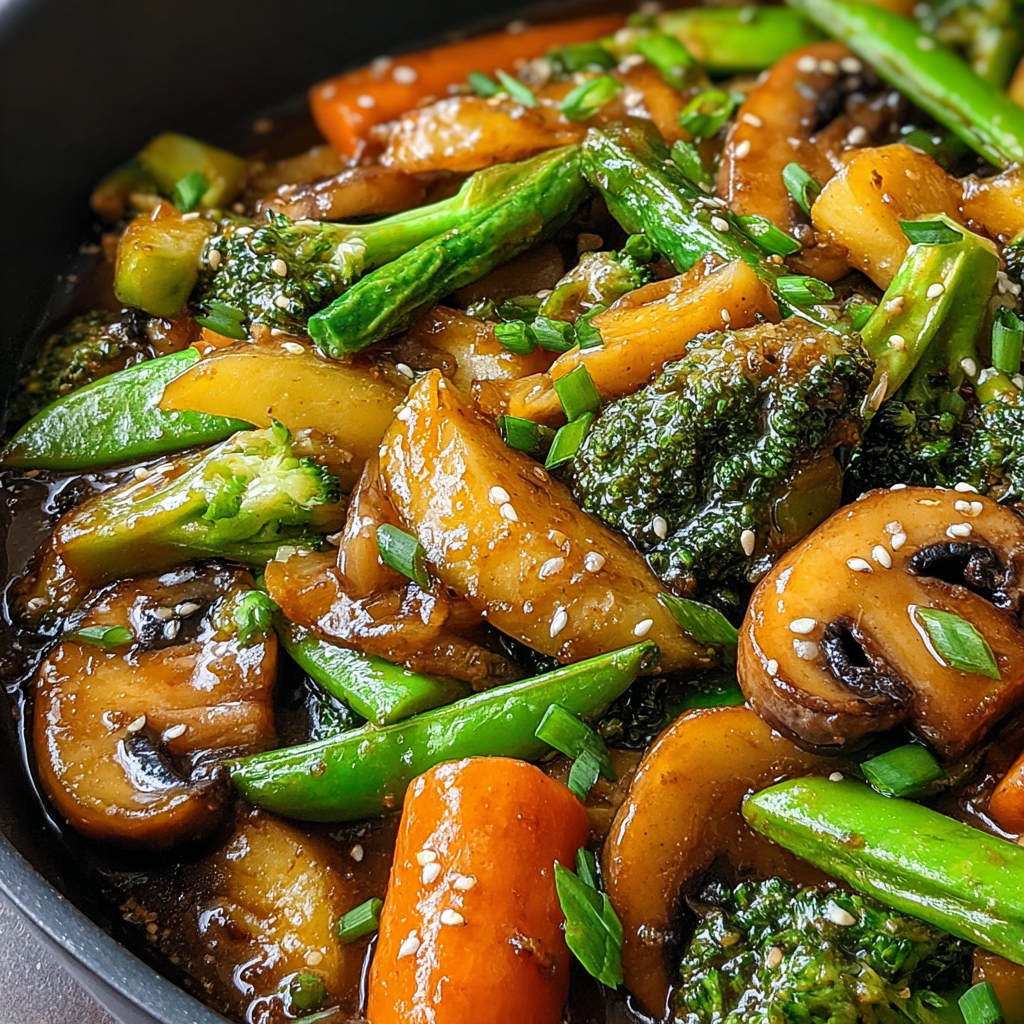
Vegetarian stir-fry is a versatile dish that allows home cooks to experiment with an array of ingredients and flavors. This quick-cooking method is perfect for those busy weeknights when time is of the essence, yet you still want to serve delicious, nutritious food. Rich in color, texture, and taste, it is an excellent way to enjoy seasonal vegetables and wholesome grains.
Incorporating a variety of vegetables not only enhances the flavor but also provides essential nutrients. The beauty of a stir-fry is in its adaptability; you can tailor it to your preferences or use up whatever produce you have on hand. With the right balance of ingredients and techniques, you can achieve a mouth-watering meal that brings the benefits of vegetarian cooking to the forefront.
Ingredients
- 2 cups broccoli florets
Broccoli adds crunch and a distinctive flavor while being rich in vitamins C and K. Its florets absorb sauces well, enhancing the overall taste of the stir-fry. - 1 red bell pepper, sliced
Red bell pepper offers sweetness and a vibrant color, making the dish visually appealing. It also adds antioxidants and vitamin A to your meal. - 1 cup snap peas
Snap peas provide a delightful snap and bright green color, contributing both texture and freshness. They are low in calories while offering a good source of fiber. - 1 medium carrot, sliced thin
Carrots bring a natural sweetness and vibrant color to the stir-fry. They also add a good amount of beta-carotene and provide a satisfying crunch. - 2 cloves garlic, minced
Garlic is a fundamental aromatic in Asian cooking. It imparts a robust flavor and has numerous health benefits, including anti-inflammatory properties. - 1 inch ginger, grated
Ginger adds a warm, spicy note that complements the vegetables perfectly and aids digestion. Its zestiness can elevate the entire flavor profile of your stir-fry. - 3 tablespoons soy sauce
Soy sauce contributes umami, balancing out the sweetness of the vegetables while providing a salty depth. Ensure to use a low-sodium version if you prefer. - 1 tablespoon sesame oil
Sesame oil lends a nutty flavor and enhances the richness of the dish. A little goes a long way, making it a flavorful finishing oil. - 1 tablespoon vegetable oil
Vegetable oil is ideal for high-heat cooking like stir-frying due to its high smoke point. It helps sauté the vegetables evenly without burning. - Cooked rice or quinoa, to serve
Serving your stir-fry over rice or quinoa provides a hearty base, offering additional fiber and protein. It's also a perfect way to soak up the delicious sauce.
Directions & Preparation
Step 1: Heat 1 tablespoon of vegetable oil in a large skillet or wok over medium-high heat.
Heating the pan thoroughly ensures even cooking and prevents sticking. Using a high-quality non-stick skillet or a well-seasoned wok is key for a successful stir-fry.
Step 2: Add garlic and ginger, sautéing for about 30 seconds until fragrant.
This step infuses the oil with garlic and ginger flavor, creating a fragrant base for the stir-fry. Be careful to monitor the heat; burning the garlic can lead to a bitter taste.
Step 3: Introduce the broccoli and carrots, stir-frying for 2-3 minutes until they begin to soften.
Starting with the denser vegetables like broccoli and carrots gives them a head start on cooking. This ensures they retain some crunch while still being tender.
Step 4: Add the sliced red bell pepper and snap peas, cooking for another 2-3 minutes.
By adding the more delicate vegetables at this stage, you prevent overcooking. The goal is to maintain a vibrant color and crisp texture, enhancing the overall eating experience.
Step 5: Pour soy sauce over the vegetables and stir well to combine.
This step allows the sauce to coat the vegetables evenly, infusing flavor throughout. Stirring well ensures each bite is flavorful and well-seasoned.
Step 6: Drizzle sesame oil for added richness and flavor before serving.
Sesame oil should be added at the end to preserve its distinct flavor and aromatic qualities. A gentle mix after adding it will help to enhance all the flavors without overpowering the dish.
Step 7: Serve the stir-fry immediately over cooked rice or quinoa.
Serving immediately ensures that the vegetables maintain their crispness and vibrant colors. The warm rice or quinoa acts as an excellent base to soak up the delicious sauce.

Balancing Flavors: Sweet, Savory, and Spicy
A great stir-fry balances multiple flavor profiles, and achieving this can elevate your dish. Begin by mixing soy sauce’s savory essence with the natural sweetness of vegetables like bell peppers and carrots. Adding a touch of chili sauce or flakes can introduce a welcomed spice without overpowering the other flavors, creating a symphony of taste in each bite.
Texture Matters: The Importance of Cooking Time
Maintaining varying textures is key in any stir-fry. Begin cooking harder vegetables like broccoli first so they can soften slightly while ensuring the snap peas and red peppers remain crisp. Undercooking some ingredients intentionally can lead to a delightful contrast, making every mouthful an exciting experience. Don't forget, freshness and crunch can really up the dish!
Choosing the Right Vegetables: Seasonal and Colorful
Selecting seasonal vegetables not only enhances flavor but also the nutritional value of your stir-fry. Opt for a variety of colors to maximize health benefits; dark leafy greens like kale or bok choy can be great additions. Additionally, seasonal variety can inspire creativity, allowing you to keep each stir-fry interesting while enjoying a diverse palette of offerings.
FAQs
What can I add to make the stir-fry spicier?
Consider incorporating sliced jalapeños, a dash of chili paste, or even crushed red pepper flakes for an added kick.
I find my stir-fry sauce too thick; what can I do?
If the sauce is too thick, add a splash of water or vegetable broth while cooking, stirring to achieve your desired consistency.
Can I incorporate tofu or tempeh into the stir-fry?
Absolutely! Cubed tofu or tempeh can add protein; just be sure to cook them until browned before adding vegetables.
Are there any good alternatives to soy sauce for seasoning?
You might explore coconut aminos for a soy-free option or tamari, which is gluten-free, providing similar umami without wheat.
What are some creative garnishes to enhance the dish?
Chopped fresh herbs like cilantro or green onions can add freshness, while sesame seeds add a touch of nutty flavor and crunch.
My stir-fry turned out bland. What did I do wrong?
A bland stir-fry often results from insufficient seasoning; ensure you’re using enough soy sauce, ginger, and garlic, and taste as you go.
Conclusion
Crafting a vibrant vegetarian stir-fry is not just about cooking; it's about creating a meal that delights the senses. By thoughtfully combining fresh ingredients and balancing flavors, you can deliver satisfaction with each bite. Remember, this dish is your canvas, allowing for endless culinary creativity.
Embrace the array of vegetables available and adjust the recipe to your preference, making the most of this speedy meal option. With just a few thoughtful steps, you can transform simple ingredients into a delightful vegetarian stir-fry that leaves everyone asking for seconds.
Recipe Card
Creating Vibrant Flavors in a Vegetarian Stir-Fry
Ingredients
- 2 cups broccoli florets
- 1 red bell pepper sliced
- 1 cup snap peas
- 1 medium carrot sliced thin
- 2 cloves garlic minced
- 1 inch ginger grated
- 3 tablespoons soy sauce
- 1 tablespoon sesame oil
- 1 tablespoon vegetable oil
- Cooked rice or quinoa to serve
Instructions
- Heat 1 tablespoon of vegetable oil in a large skillet or wok over medium-high heat.
- Add garlic and ginger, sautéing for about 30 seconds until fragrant.
- Introduce the broccoli and carrots, stir-frying for 2-3 minutes until they begin to soften.
- Add the sliced red bell pepper and snap peas, cooking for another 2-3 minutes.
- Pour soy sauce over the vegetables and stir well to combine.
- Drizzle sesame oil for added richness and flavor before serving.
- Serve the stir-fry immediately over cooked rice or quinoa.
Notes
Additional serving suggestions: pair with a crisp salad, garlic bread, or roasted seasonal vegetables for balance.
For make-ahead, prep components separately and assemble just before heating to preserve texture.
Taste and adjust with acid (lemon/vinegar) and salt right at the end to wake up flavors.