Introduction
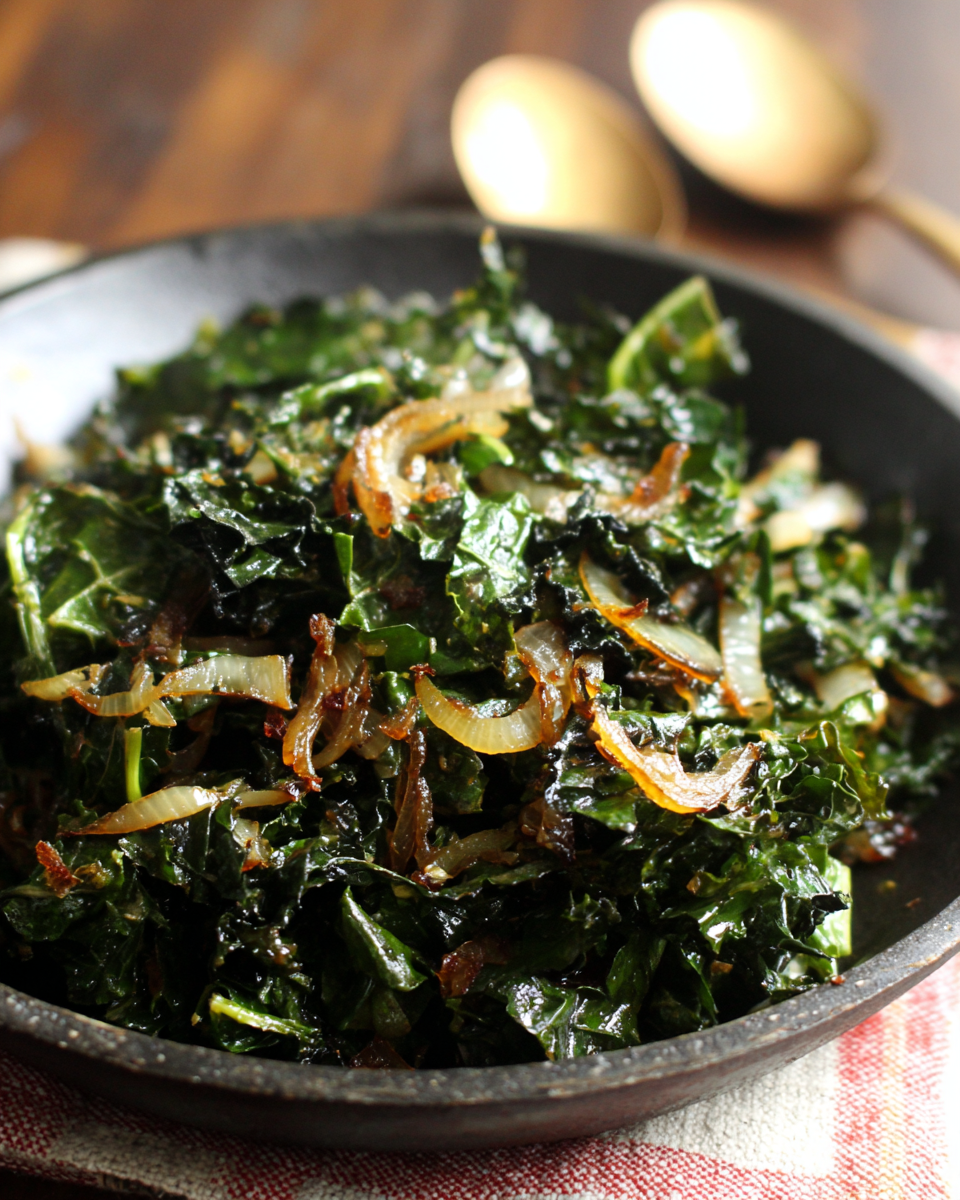
Kale has surged into the culinary spotlight in recent years, celebrated for its impressive nutritional profile and versatility in the kitchen. When sautéed, it transforms into a tender, flavorful side dish that pairs beautifully with various proteins. Adding caramelized onions elevates this dish, infusing warmth and sweetness that counterbalances the kale's slight bitterness.
This Paleo sautéed kale with caramelized onions not only enhances your meals but also adheres to health-conscious eating practices. Rich in vitamins A, C, and K, kale shines as a nutrient-dense superfood, while caramelized onions bring depth without straying from wholesome ingredient values. Together, they create a delicious harmony that can elevate any dining experience.
Ingredients
- 1 bunch kale, roughly chopped
Kale is the star ingredient packed with vitamins and antioxidants. Its fibrous texture holds up well during cooking, allowing for a satisfying mouthfeel. Using a variety such as Lacinato or curly kale can influence the final dish's texture and flavor. - 2 medium onions, thinly sliced
Onions are crucial for developing rich flavors through caramelization. Their natural sugars caramelize beautifully when cooked slowly, resulting in sweet, tender pieces that greatly enhance the overall taste of the dish. - 2 tablespoons olive oil
Olive oil serves as the cooking medium and provides healthy fats. It not only helps sauté the kale and onions but also infuses them with its distinctive, fruity flavor. Extra virgin olive oil is ideal for its health benefits and quality. - 2 cloves garlic, minced
Garlic contributes a zesty bite that brightens the dish and complements the sweetness of the onions. Its bold flavor works harmoniously with both the kale and onions, adding layers of complexity. - Salt and pepper to taste
Seasoning with salt and pepper is essential for enhancing the flavors of the ingredients. Adjusting these to your preference ensures that the dish remains vibrant and flavorful without overwhelming the natural taste of the vegetables. - 1 tablespoon apple cider vinegar
Apple cider vinegar adds acidity, helping to balance the sweetness from the caramelized onions. This tangy note not only brightens the kale but also accentuates its earthy flavor profile, making it more palatable.
Directions & Preparation
Step 1: Prepare the kale by washing and chopping.
Start by rinsing the kale leaves thoroughly under cool water to remove any dirt or grit. After drying, remove the thick stems and chop the leaves into bite-sized pieces. This step is vital as it not only cleanses the kale but also ensures uniform cooking, contributing to the dish's overall texture and taste.
Step 2: Slice the onions thinly.
Thinly slicing the onions allows for faster and more even caramelization. Aim for uniform slices to ensure that they cook at the same rate. This foundational step is key to achieving that perfect depth of flavor that will enrich the dish.
Step 3: Heat olive oil in a large skillet over medium heat.
Heating the olive oil properly is crucial for sautéing. By starting at medium heat, the skillet warms evenly, allowing the onions to soften and release their natural sugars without burning. It's important not to rush this process—patience leads to a beautifully caramelized result.
Step 4: Add the sliced onions to the skillet.
Once the oil shimmers, introduce the onions. Stir them gently to coat with the oil and ensure they don’t stick to the skillet. As they cook, reduce the heat to low and allow them to caramelize slowly, which enhances their sweetness and adds a rich flavor to the dish.
Step 5: Cook the onions until golden and caramelized, about 15-20 minutes.
The onions should be stirred occasionally, allowing them to develop a golden-brown color. If they start to brown too quickly, lower the heat to prevent burning. This caramelization is vital—it introduces a balanced sweetness that beautifully contrasts with the kale's bitterness.
Step 6: Add minced garlic and sauté for 1-2 minutes.
Once the onions have reached a perfect caramelized state, it's time to incorporate the garlic. Adding it now keeps the garlic from burning, ensuring a fresh, fragrant note without overwhelming the dish. Remember, garlic cooks quickly, so keep an eye on it.
Step 7: Add the chopped kale to the skillet.
With the onions and garlic ready, it's time to fold in the kale. It may seem like a lot at first, but kale greatly reduces in volume as it cooks. Tossing it gently helps mix the flavors and ensure even cooking, while providing a tender result that balances the sweetness of the onions.
Step 8: Sauté the kale for about 5-7 minutes until wilted.
As you cook the kale, continue tossing, which not only helps it wilt evenly but also releases its juices, creating a flavorful concoction. Cook until just tender but not mushy—maintaining a slight bite gives the dish a pleasant texture contrast.
Step 9: Season with salt, pepper, and apple cider vinegar.
Finish by seasoning the sautéed kale with salt and pepper to enhance the flavors. The apple cider vinegar adds the finishing touch of acidity, brightening the overall dish. Taste and adjust as needed—this step allows you to personalize the dish to your liking.
Step 10: Serve warm as a side or main dish.
This Paleo sautéed kale with caramelized onions shines best when served warm. It can accompany grilled meats or be enjoyed alone as a nourishing vegan option. The flavors deepen when shared, inviting your family or friends to savor every bite.

The Science of Caramelization
Caramelization is a cooking technique that transforms the natural sugars in onions into complex flavors through heat. This reaction occurs at high temperatures and requires time to unfold, which is why patience is essential. The slow cooking process breaks down both the structure and flavor compounds of the onions, creating a sweet, rich base that enhances the dish and complements the earthiness of kale.
Kale Variations for Unique Flavors
Kale comes in several varieties, each with its unique flavor profile and texture. Lacinato kale, with its dark blue-green leaves and slightly sweeter taste, offers a different experience than the more commonly recognized curly kale, which has a robust, peppery note. Mixing kale types not only adds visual appeal but also allows for a greater depth of flavor, catering to your own palate preferences.
Creating a Balanced Plate
This sautéed kale dish pairs wonderfully with various proteins and carbohydrates, creating a complete meal. Adding roasted chicken or salmon offers lean protein, while a side of quinoa or sweet potatoes pulls together a heartier meal. By balancing flavors and textures, you enhance the nutritional value of your table, aligning your dining experience with the principles of clean, wholesome eating.
FAQs
What should I do if my kale is too tough?
If your kale feels overly tough after cooking, it may be due to undercooking. Simply continue sautéing it, adding a splash of water to help steam and soften the leaves if necessary. The kale should be tender but still hold its shape.
Can I add other vegetables to this dish?
Absolutely! Feel free to incorporate vegetables like bell peppers, mushrooms, or even zucchini. Just keep in mind that different vegetables may require different cooking times, so adjust accordingly to maintain a well-balanced dish.
Why does my kale taste bland?
If your sautéed kale lacks flavor, it could be due to insufficient seasoning or the absence of acidity. Make sure to generously season with salt and pepper and don't skip the vinegar, which brings brightness and enhances all the other flavors.
What if I want to scale this recipe for a larger group?
Scaling this recipe is easy; simply multiply the ingredients by the desired number of servings. Ensure you use a larger skillet or pot to accommodate the increased volume while allowing for proper cooking conditions and avoiding steaming.
Can I use frozen kale instead of fresh?
While fresh kale is preferred for its texture and flavor, you can use frozen kale in a pinch. Just remember to thaw and drain it well, as excess moisture may lead to a watery dish when sautéed.
What if I overcooked the onions?
If you've overcooked the onions, they may taste burnt or overly bitter. You can counteract this by adding a pinch of sugar to balance the bitterness or mixing them with additional sautéed vegetables to mellow the flavor.
Conclusion
Paleo sautéed kale with caramelized onions brings an exciting twist to a simple leafy green that may otherwise go unnoticed on your plate. The combination of nutrient-dense ingredients creates a dish that is not just healthy but also utterly delicious.
Whether served as a side or a main, this recipe showcases the flavors of each component while maintaining a balance that pleases the palate. By mastering the art of sautéing and caramelization, you can enjoy a dish that proves healthy eating doesn’t have to lack flavor.
Recipe Card

Flavor-Packed Bite-Sized Baked Potato Appetizers
Ingredients
- 12 small russet potatoes
- 1 cup sour cream
- 1 cup shredded cheddar cheese
- 1/2 cup cooked bacon bits
- 2 green onions chopped
- Salt and pepper to taste
- Olive oil for drizzling
- Paprika for garnish
Instructions
- Preheat your oven to 400°F (200°C).
- Wash and scrub the potatoes thoroughly.
- Pierce each potato with a fork a few times.
- Rub the potatoes with olive oil and sprinkle with salt.
- Bake for 25-30 minutes or until tender.
- Remove from the oven and allow to cool slightly.
- Cut each potato in half and scoop out the insides.
- In a bowl, mix the scooped potato, sour cream, cheese, bacon, green onions, salt, and pepper.
- Spoon the filling back into the potato skins.
- Sprinkle with extra cheese and paprika.
- Return to the oven and bake for another 10-15 minutes.
- Remove from the oven and let cool for a few minutes before serving.
Notes
Additional serving suggestions: pair with a crisp salad, garlic bread, or roasted seasonal vegetables for balance.
For make-ahead, prep components separately and assemble just before heating to preserve texture.
Taste and adjust with acid (lemon/vinegar) and salt right at the end to wake up flavors.