Introduction
As autumn sweeps in, so does the abundance of seasonal produce, and there's hardly anything that embodies the essence of fall better than butternut squash. Its sweet, nutty flavor beautifully pairs with a caramelized touch of brown sugar, creating a dish that's both comforting and sophisticated.
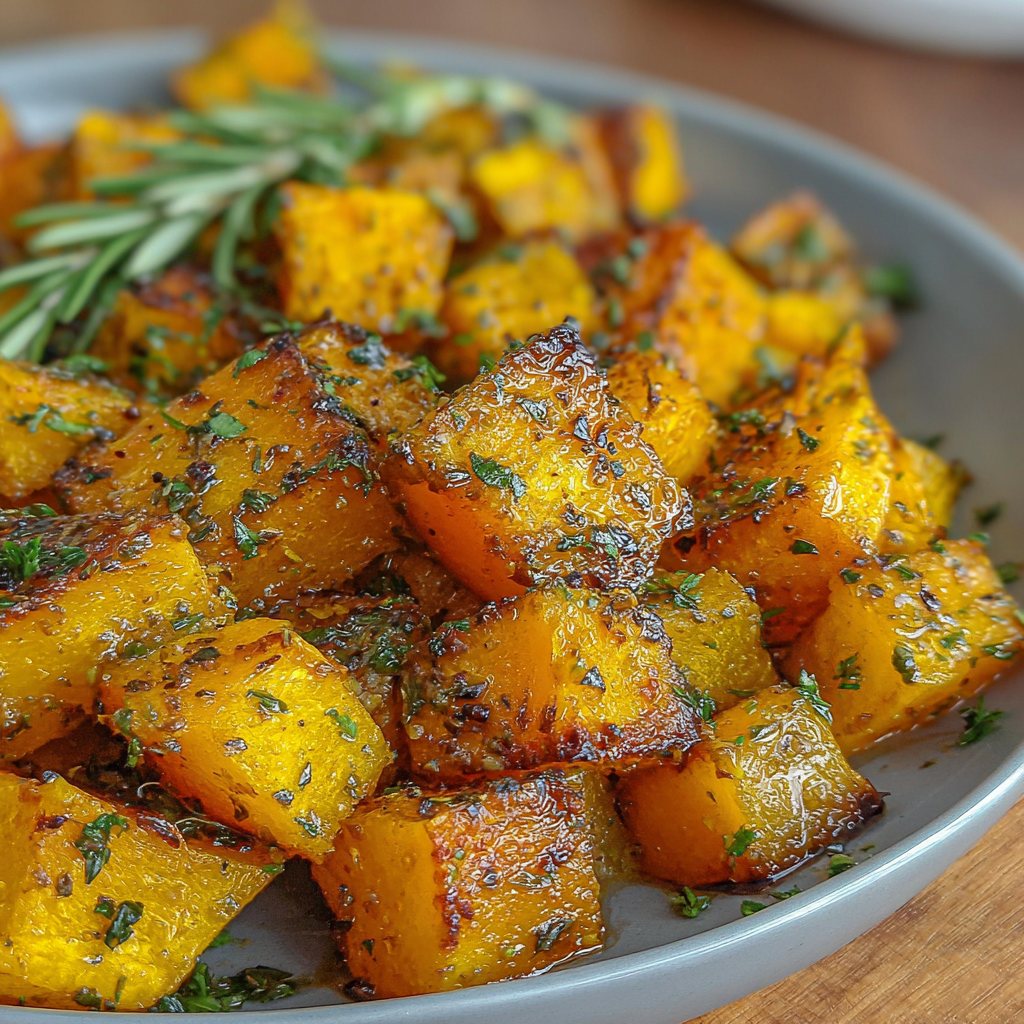
Roasting transforms this humble squash into a delightful side that's perfect for gatherings or cozy dinners at home. By enhancing its natural sweetness, the brown sugar glaze not only brings out the flavor but also contributes to a stunning, golden-brown finish that appeals to the eye and palate alike.
With a few simple ingredients, this recipe allows the butternut squash to shine while providing depth and sweetness. Let’s delve into the details of crafting this exquisite dish that will become a favorite in your kitchen.
Ingredients
- 1 medium butternut squash (about 2-3 pounds)
The star ingredient, butternut squash, provides a creamy texture and subtle sweetness. Roasting enhances these qualities, making it the perfect canvas for flavors. - 3 tablespoons brown sugar
Brown sugar offers a rich sweetness that caramelizes beautifully when roasted. The slight molasses flavor in brown sugar deepens the dish's overall taste. - 2 tablespoons olive oil
Olive oil is essential for roasting; it helps to achieve that crispy exterior while ensuring even cooking. It also adds a subtle richness to the squash. - 1 teaspoon ground cinnamon
Cinnamon adds warmth and depth, enhancing the inherent sweetness of the squash. It's a spice that evokes the feeling of fall and compliments the brown sugar. - Salt and pepper to taste
Seasoning with salt and pepper balances the sweetness of the dish, enhancing the flavor profile. It’s essential to adjust these to your preference. - Optional: chopped fresh parsley for garnish
Fresh parsley adds a pop of color and a hint of freshness that can brighten the flavors of the roasted squash.
Directions & Preparation
Step 1: Preheat your oven to 400°F (200°C).
Preheating the oven is vital for achieving the optimal roasting temperature. A hot oven allows the butternut squash to cook evenly and caramelize beautifully, giving you that desirable browned exterior and tender interior.
Step 2: Carefully peel and seed the butternut squash.
Peeling and seeding the squash can be the trickiest part, but it’s crucial. Use a sharp peeler and a sturdy knife to ensure safety while removing the tough skin. Once peeled, cut it in half and scoop out the seeds, which helps the flesh cook to the right tenderness.
Step 3: Cut the squash into 1-inch cubes.
Uniformly cutting the squash into 1-inch cubes ensures that all pieces roast evenly. This also helps in cooking them through without burning, allowing for a consistent texture throughout the dish.
Step 4: In a large bowl, combine the cubed squash, olive oil, brown sugar, cinnamon, salt, and pepper.
Tossing the squash in this mixture before roasting is key to evenly distributing the flavors. The oil helps the sugar and spices adhere to each piece, enhancing the overall flavor as it roasts.
Step 5: Spread the squash in a single layer on a baking sheet lined with parchment paper.
Spacing the squash apart on the baking sheet is essential to avoid steaming. A single layer allows the hot air to circulate around the pieces, ensuring they become golden and crispy rather than soggy.
Step 6: Roast the squash for about 25-30 minutes, or until tender and caramelized, flipping halfway through.
Flipping the squash halfway through ensures even cooking and caramelization on all sides. Keep an eye on them during the last few minutes to prevent over-browning; you want nicely roasted, not burnt squash.
Step 7: Remove from the oven and allow to cool slightly before serving.
Letting the squash cool for a few minutes after roasting allows the residual heat to continue cooking it gently and helps prevent steam burns. This brief moment also allows for the flavors to settle, making each bite even better.
Step 8: Optional: Garnish with chopped fresh parsley before serving.
A sprinkle of fresh parsley not only adds visual appeal but also brings a fresh, herbal note that balances the richness of the roasted squash. It's a final touch that elevates the entire dish.

Enhancing Flavor with Spices
While the primary flavors of this dish come from brown sugar and butternut squash, spices play a crucial role in elevating it further. Adding ground cinnamon introduces warmth, but consider experimenting with nutmeg or even cayenne for a hint of heat. Tailoring the spice blend can transform the dish's character, catering to seasonal variations.
Choosing the Right Butternut Squash
Not all butternut squashes are created equal. When selecting your squash, look for ones that are heavy for their size with smooth, firm skin. Avoid any that have blemishes or soft spots. Choosing the right squash ensures your final dish is sweet and creamy, serving as the perfect base for your brown sugar glaze.
Presentation Tips for Roasted Squash
Although this dish is delightful on its own, presenting it attractively enhances the eating experience. Consider serving the roasted squash in a rustic bowl or platter. A drizzle of balsamic reduction or a sprinkle of pomegranate seeds can add color and a tangy contrast to the sweetness, making it visually striking.
FAQs
Why did my squash turn out too mushy?
Overcooking or cutting the squash too small can result in mushiness. Ensure even-sized pieces and check for tenderness a few minutes before the recommended time.
What can I do if the flavors are too sweet?
If the squash feels overly sweet, consider adding a touch of acidity, such as a squeeze of lemon juice or a splash of vinegar, to balance the flavors.
How can I vary the sweetener in this recipe?
You could substitute the brown sugar with maple syrup or honey for a different flavor profile, but adjust the liquid slightly since these are less granulated.
What if I want to add more vegetables to this dish?
You can mix in carrots or sweet potatoes, but be mindful of their cooking times. Cut everything into uniform sizes to ensure even roasting.
Is it possible to make this dish spicier?
Absolutely! Adding a pinch of cayenne pepper or chili powder can introduce a pleasing heat that complements the sweetness of the squash.
How do I know when the squash is perfectly roasted?
Perfectly roasted squash will be fork-tender and nicely caramelized on the edges. Look for a golden-brown color, which indicates effective caramelization.
Conclusion
Brown sugar roasted butternut squash is not only a testament to the beauty of fall flavors but also a dish that’s versatile enough for any meal. With its beautiful caramelization and warm spices, it promises to become a staple on your table.
Experiment with ingredients and adjust the sweetness to suit your palate, and soon this delightful dish will become a memorable part of your culinary repertoire.
Recipe Card

Roasted Butternut Squash with Brown Sugar Glaze
Ingredients
- 1 medium butternut squash about 2-3 pounds
- 3 tablespoons brown sugar
- 2 tablespoons olive oil
- 1 teaspoon ground cinnamon
- Salt and pepper to taste
- Optional: chopped fresh parsley for garnish
Instructions
- Preheat your oven to 400°F (200°C).
- Carefully peel and seed the butternut squash.
- Cut the squash into 1-inch cubes.
- In a large bowl, combine the cubed squash, olive oil, brown sugar, cinnamon, salt, and pepper.
- Spread the squash in a single layer on a baking sheet lined with parchment paper.
- Roast the squash for about 25-30 minutes, or until tender and caramelized, flipping halfway through.
- Remove from the oven and allow to cool slightly before serving.
- Optional: Garnish with chopped fresh parsley before serving.
Notes
Additional serving suggestions: pair with a crisp salad, garlic bread, or roasted seasonal vegetables for balance.
For make-ahead, prep components separately and assemble just before heating to preserve texture.
Taste and adjust with acid (lemon/vinegar) and salt right at the end to wake up flavors.